4WD Wheel Loader: The Cornerstone of Modern European Agricultural Productivity and Compliance
Executive Summary
Against the backdrop of EU agricultural modernization and stringent environmental regulations, the 4WD wheel loader has solidified its position as an indispensable piece of equipment for European farms, contractors, and agri-logistics operations. As the European agricultural machinery industry navigates the transition to sustainability and digitalization, the 4WD wheel loader market is defined by three core pillars: compliance with EU Stage V emissions standards, versatility across agricultural applications, and technological innovation in electrification and smart operation. This article, informed by insights from the European Agricultural Machinery Association (CEMA), analyzes the current market landscape, key regulatory frameworks, technological advancements, and practical applications of 4WD wheel loaders in Europe, providing a comprehensive guide for international buyers and industry stakeholders.
1. The European Agricultural Machinery Landscape: CEMA's Industry Perspective
The European Agricultural Machinery Association (CEMA) stands as the authoritative voice of the European agricultural machinery industry, representing over 1,300 manufacturers across 20 European countries. CEMA plays a pivotal role in shaping EU policy, setting industry standards, and publishing critical market data, making it an essential resource for understanding the 4WD wheel loader sector.
1.1 CEMA's Role in Shaping the 4WD Wheel Loader Market
CEMA's influence on the 4WD wheel loader market is multifaceted:
Regulatory Advocacy: CEMA actively engages with the European Commission to develop and refine regulations governing agricultural machinery, including non-road mobile machinery (NRMM) emissions standards, safety directives, and digitalization frameworks. This ensures that 4WD wheel loader manufacturers have clear guidelines for compliance and innovation.
Market Intelligence: CEMA publishes annual European Agricultural Machinery Market Reports, which provide detailed data on sales volumes, market trends, and regional demand for 4WD wheel loaders and other agricultural equipment. These reports are invaluable for identifying growth opportunities and understanding customer preferences.
Standardization: CEMA works closely with European and international standardization bodies (such as CEN and ISO) to develop harmonized technical standards for 4WD wheel loaders, covering aspects like safety (EN 474 series), performance, and interoperability. This standardization facilitates cross-border trade and ensures a level playing field for manufacturers.
Industry Collaboration: Through events like the annual CEMA Summit, the association fosters collaboration between manufacturers, policymakers, and research institutions, driving innovation in 4WD wheel loader technology and sustainable agricultural practices.
1.2 CEMA's 2026 Market Outlook for 4WD Wheel Loaders
According to CEMA's latest industry analysis, the European market for 4WD wheel loaders is projected to grow at a compound annual growth rate (CAGR) of approximately 4.8% through 2028. This growth is driven by several key factors:
Farm Modernization: The ongoing trend towards larger, more efficient farm operations in Europe is increasing demand for high-performance 4WD wheel loaders capable of handling heavy workloads and diverse tasks.
Sustainability Mandates: EU policies such as the Green Deal and Farm to Fork strategy are pushing the agricultural sector towards decarbonization. This is accelerating the adoption of Stage V compliant and electric 4WD wheel loaders, which offer significant reductions in emissions and operating costs.
Labor Shortages: Europe's agricultural labor shortage is driving demand for automated and semi-automated 4WD wheel loaders that can reduce reliance on manual labor and improve operational efficiency.
Infrastructure Investment: Increased investment in rural infrastructure, including farm buildings, storage facilities, and biogas plants, is creating new opportunities for 4WD wheel loaders in construction and material handling applications.
2. Regulatory Compliance: The Non-Negotiable Foundation for 4WD Wheel Loaders in Europe
For any 4WD wheel loader to operate legally in the European Union, compliance with a comprehensive set of regulations is mandatory. CEMA provides clear guidance and resources to help manufacturers and buyers navigate these requirements.
2.1 EU Stage V Emissions Standard: The Gold Standard for Clean Operation
The EU Stage V emissions standard, implemented in 2019, is the most stringent emissions regulation for non-road mobile machinery globally. It applies to all 4WD wheel loaders operating in the EU and sets strict limits on particulate matter (PM), nitrogen oxides (NOx), and other harmful pollutants.
Key Requirements: 4WD wheel loaders must be equipped with advanced exhaust after-treatment systems, such as diesel particulate filters (DPF) and selective catalytic reduction (SCR) technology, to meet Stage V limits.
CEMA's Role: CEMA has been instrumental in the development and implementation of Stage V, working with manufacturers to ensure a smooth transition and providing technical support to achieve compliance.
Market Impact: Non-Stage V compliant 4WD wheel loaders are effectively banned from new sales in the EU, making Stage V certification a prerequisite for market entry.
2.2 CE Marking and Safety Directives
All 4WD wheel loaders sold in the EU must bear the CE mark, indicating compliance with EU health, safety, and environmental protection standards.
Core Safety Standards: The primary standards for 4WD wheel loaders are EN 474-1 (general safety requirements for earth-moving machinery) and EN 474-3 (specific safety requirements for loaders). These standards cover critical aspects such as operator protection (ROPS/FOPS), visibility, emergency stop systems, and noise and vibration levels.
CEMA's Guidance: CEMA publishes detailed compliance checklists and technical documents to assist manufacturers in obtaining CE marking for their 4WD wheel loaders, ensuring adherence to all relevant directives.
2.3 Digital and Data Compliance
As 4WD wheel loaders become increasingly connected and intelligent, compliance with EU data protection regulations (such as the General Data Protection Regulation, GDPR) and cybersecurity standards is becoming increasingly important. CEMA is actively involved in developing guidelines for the secure and ethical use of data in agricultural machinery, ensuring that 4WD wheel loader telematics and automation systems respect user privacy and data security.
3. Technological Advancements: Redefining the Capabilities of 4WD Wheel Loaders
The European 4WD wheel loader market is at the forefront of technological innovation, driven by CEMA's emphasis on sustainability, efficiency, and smart farming.
3.1 Electrification: The Future of Agricultural Material Handling
Electrification is the most significant trend in the 4WD wheel loader sector, offering a path to zero-emission operation and significant operational benefits.
Battery-Electric 4WD Wheel Loaders: Leading manufacturers, such as CLAAS (with the TORION 537e SINUS) and New Holland, have introduced battery-electric 4WD wheel loaders that deliver performance comparable to diesel models while producing zero tailpipe emissions and operating with significantly reduced noise. These machines are ideal for indoor operations, livestock facilities, and urban agricultural settings.
Hybrid Technology: Hybrid 4WD wheel loaders combine a diesel engine with an electric motor, offering reduced fuel consumption and emissions without the range limitations of pure electric models. CEMA recognizes hybrid technology as a crucial transitional solution towards full electrification.
3.2 Smart and Connected Operation
Modern 4WD wheel loaders are equipped with advanced telematics, IoT, and automation features that transform them into intelligent, data-driven machines.
Telematics Systems: Integrated telematics platforms allow fleet managers and farmers to remotely monitor 4WD wheel loader performance, fuel consumption, maintenance needs, and location in real-time. This data-driven approach optimizes operational efficiency and reduces downtime.
Automation and Assistance Features: Many new 4WD wheel loaders feature semi-autonomous functions, such as automatic load weighing, collision avoidance systems, and GPS-guided operation. These features improve accuracy, safety, and productivity, particularly in repetitive material handling tasks.
CEMA's Digitalization Initiative: CEMA's Digital Agriculture program is driving the development of standardized communication protocols and data platforms for agricultural machinery, ensuring seamless integration of 4WD wheel loaders with other farm management systems.
3.3 Versatility and Multifunctionality
A key advantage of the 4WD wheel loader in European agriculture is its exceptional versatility, made possible by advanced hydraulic systems and quick-attach mechanisms.
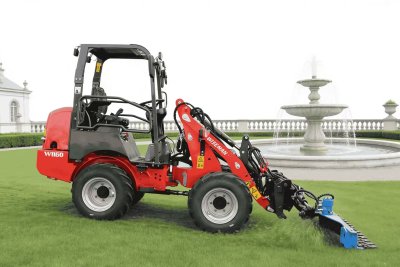
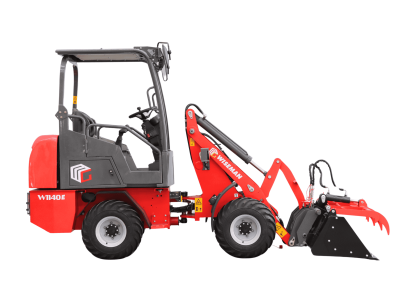
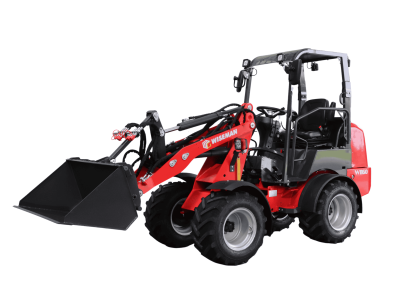
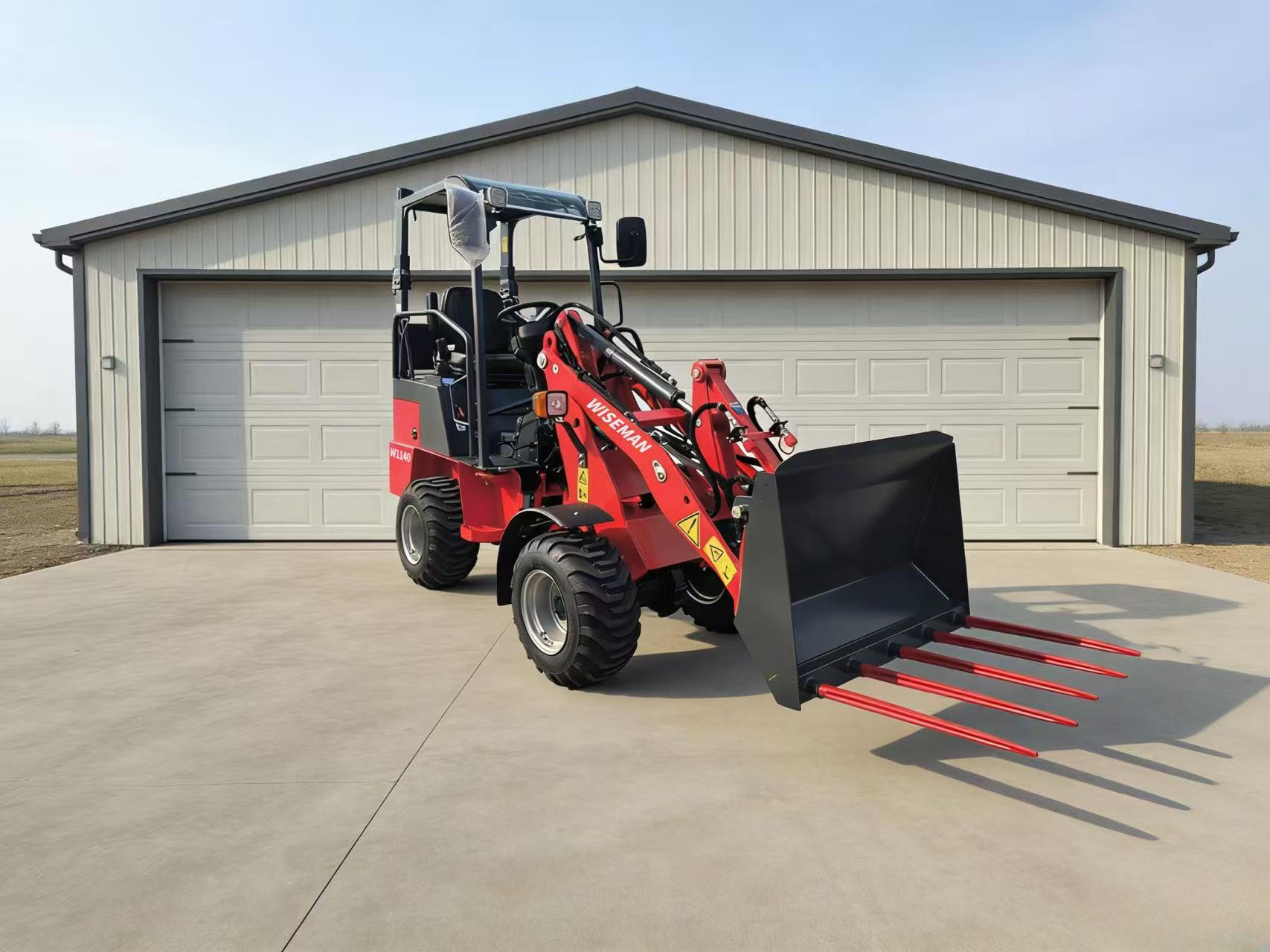
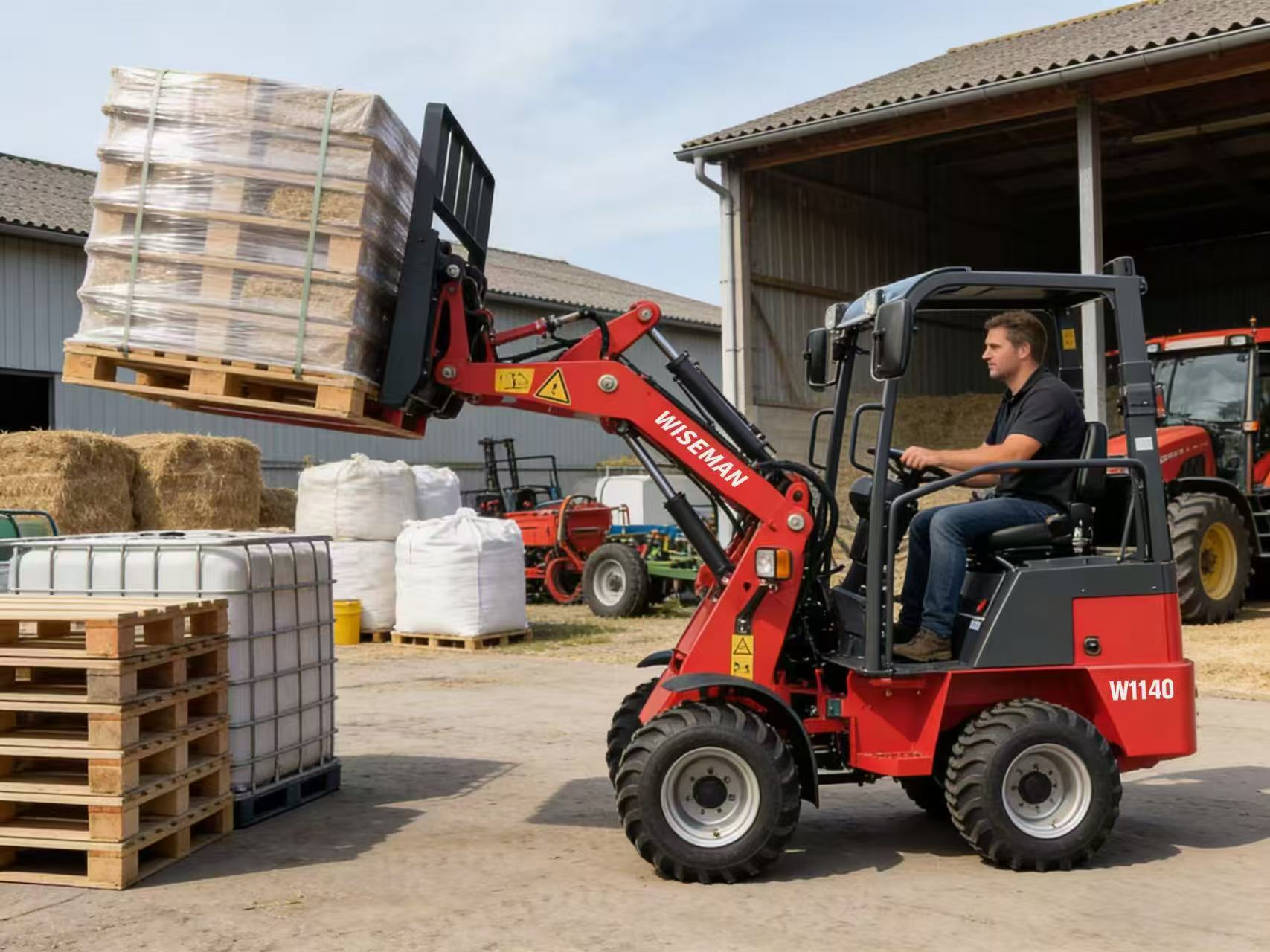
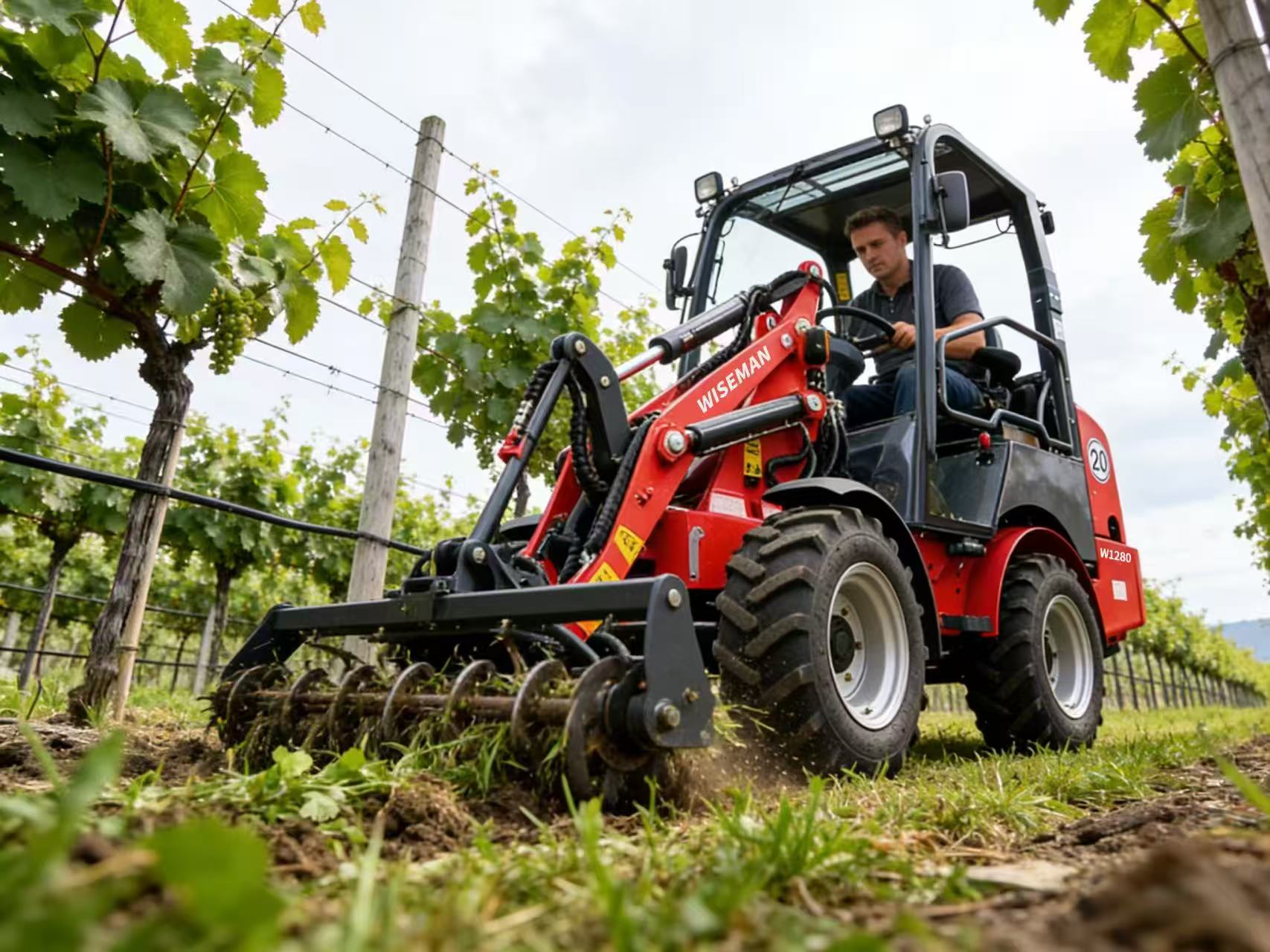
Quick-Change Attachments: Modern 4WD wheel loaders can be equipped with a wide range of attachments, including general-purpose buckets, grain buckets, fork lifts, bale handlers, snow blowers, and mulchers. This allows a single machine to perform dozens of tasks, from loading feed and fertilizer to clearing snow and maintaining farm roads.
High-Performance Hydraulics: Advanced load-sensing hydraulic systems deliver precise control and high lifting capacities, enabling 4WD wheel loaders to handle heavy loads efficiently and safely.
4. Applications of 4WD Wheel Loaders in European Agriculture
The 4WD wheel loader is a workhorse across the entire European agricultural value chain, adapting to diverse farming systems and operational needs.
4.1 Crop Production and Field Management
Material Handling: 4WD wheel loaders are essential for loading and transporting seeds, fertilizers, pesticides, and harvested crops (such as grains, potatoes, and sugar beets) between fields, storage facilities, and transport vehicles.
Farm Infrastructure Maintenance: They are used for tasks like clearing fields, maintaining farm roads, and constructing and repairing farm buildings and storage silos.
4.2 Livestock Farming
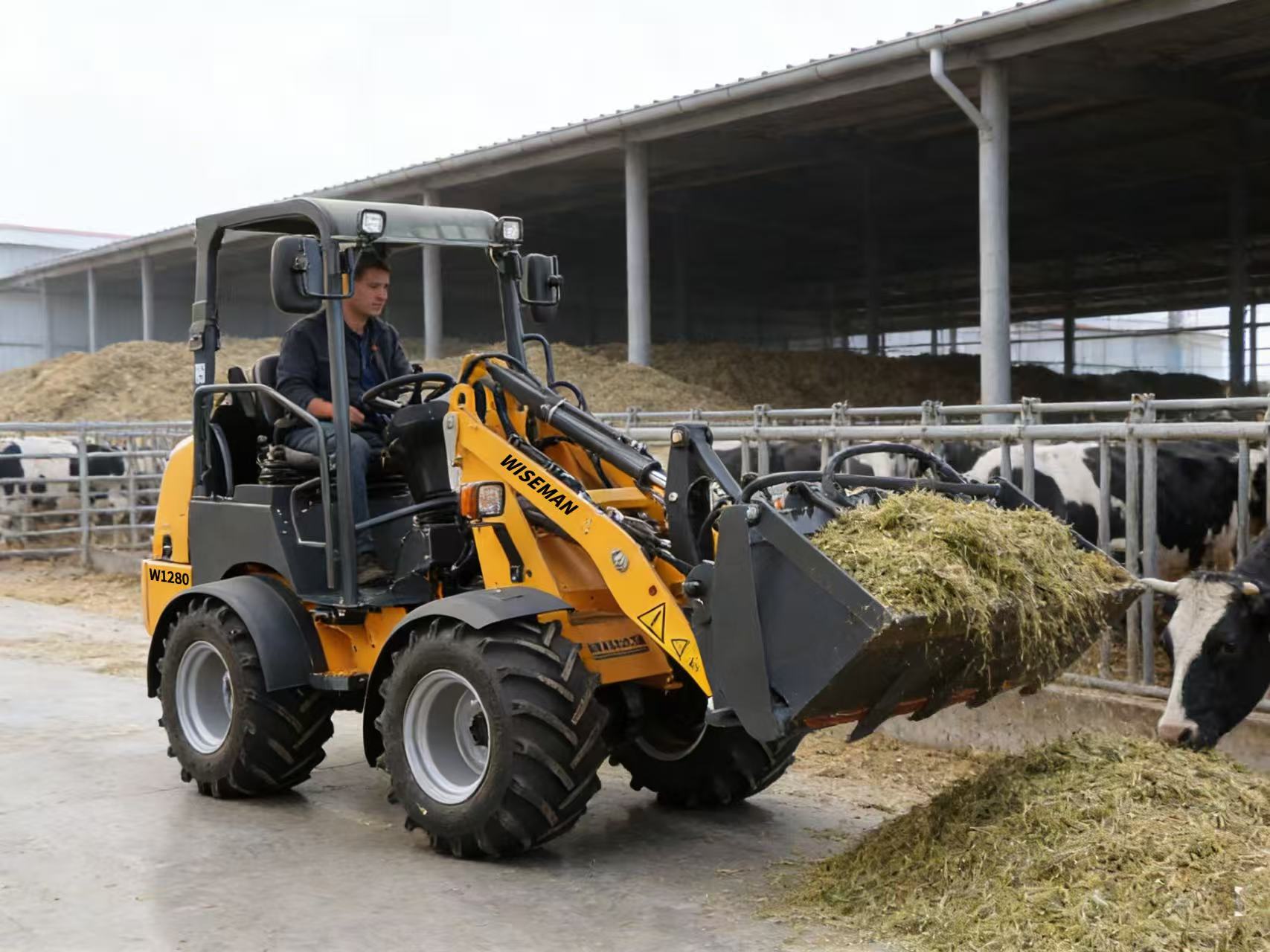
Feed Management: In intensive livestock operations, 4WD wheel loaders efficiently handle and distribute large volumes of feed, including silage, hay, and grain.
Manure Handling: They play a crucial role in collecting, transporting, and spreading manure, a key component of sustainable nutrient management on European farms.
Indoor Operations: Electric 4WD wheel loaders are increasingly used in livestock barns and milking parlors, where zero emissions and low noise are critical for animal welfare and operator comfort.
4.3 Agri-Logistics and Bioenergy
Biomass and Biogas Plants: 4WD wheel loaders are vital for handling biomass materials (such as straw, wood chips, and agricultural waste) in biogas and biofuel production facilities.
Grain Storage and Distribution: In large grain elevators and distribution centers, 4WD wheel loaders ensure efficient loading and unloading of grain trucks and containers.
4.4 Horticulture and Specialty Farming
Orchard and Vineyard Management: Compact 4WD wheel loaders with narrow profiles are used for tasks like pruning, harvesting, and material handling in orchards and vineyards, where space is limited.
Greenhouse Operations: Electric 4WD wheel loaders are ideal for indoor greenhouse operations, providing clean, quiet material handling for plants, growing media, and harvests.
5. Key Considerations for International Buyers: Sourcing 4WD Wheel Loaders for the European Market
For international manufacturers and suppliers looking to enter the European 4WD wheel loader market, or for European buyers seeking to procure new equipment, several critical factors must be considered.
5.1 Prioritize Compliance
Stage V Certification: Ensure that all 4WD wheel loaders are fully compliant with the EU Stage V emissions standard. This is non-negotiable for market access.
CE Marking: Verify that the machine bears the CE mark and complies with all relevant EU safety and health standards (EN 474 series).
Documentation: Prepare all necessary compliance documentation, including technical files, EU declarations of conformity, and test reports, as required by EU legislation. CEMA's website provides valuable resources to assist with this process.
5.2 Understand European Customer Needs
Total Cost of Ownership (TCO): European buyers prioritize TCO over initial purchase price. Highlight the fuel efficiency, low maintenance costs, and long service life of your 4WD wheel loaders.
Sustainability: Emphasize the environmental benefits of your machines, such as Stage V compliance, low emissions, and electric or hybrid options, aligning with EU sustainability goals.
After-Sales Support: A robust European service and parts network is essential. European buyers expect reliable local support, quick spare parts delivery, and expert maintenance services.
5.3 Leverage CEMA Resources
Market Research: Utilize CEMA's market reports and data to understand regional demand, competitor activity, and customer preferences in the European 4WD wheel loader market.
Networking: Participate in CEMA events, such as the CEMA Summit and agricultural machinery trade fairs (like Agritechnica and EIMA), to connect with European manufacturers, distributors, and buyers.
Regulatory Updates: Stay informed about the latest EU regulatory changes and industry standards through CEMA's publications and advocacy efforts.
Conclusion
The 4WD wheel loader is far more than just a piece of agricultural equipment; it is a cornerstone of productivity, sustainability, and innovation in European farming. Guided by the expertise and standards set by the European Agricultural Machinery Association (CEMA), the European 4WD wheel loader market continues to evolve, driven by stringent regulations, technological advancements, and the growing demand for efficient, sustainable agricultural solutions.
For international buyers and suppliers, success in this market requires a deep understanding of EU compliance requirements, a focus on technological innovation and sustainability, and a commitment to delivering high-quality, versatile machines backed by exceptional after-sales support. By aligning with CEMA's vision for a modern, sustainable European agricultural machinery sector, you can position your 4WD wheel loader offerings to thrive in this dynamic and lucrative market.
Are you ready to elevate your agricultural operations with a 4WD wheel loader that meets the highest European standards of compliance, performance, and sustainability?
For European Farmers & Contractors: Explore our range of Stage V compliant, CE-marked 4WD wheel loaders, designed to maximize productivity, minimize environmental impact, and deliver exceptional value across all your agricultural material handling needs. Contact our European sales team today for a personalized consultation and competitive quote.
For International Manufacturers: Partner with us to navigate the complex European regulatory landscape, leverage CEMA's industry insights, and access our extensive European distribution and service network. Let us help you bring your innovative 4WD wheel loader solutions to the European market with confidence and compliance.
Visit our website or contact our expert team now to discover how our 4WD wheel loaders can transform your agricultural efficiency and sustainability.