Electric Wheel Loader vs Diesel: Pros & Cons (2026 Guide) – Buy Compact Articulated Loader with VILLATRAC W1160
For B2B buyers in agriculture, construction, and landscaping, the decision to buy compact articulated loader often comes down to a critical choice: electric wheel loader vs diesel. As 2026 brings stricter emission regulations, rising energy costs, and growing sustainability demands, selecting the right power type directly impacts operational efficiency, long-term costs, and compliance. The VILLATRAC W1160, available in both electric and diesel variants, serves as the perfect case study to evaluate these two power options. This guide breaks down the pros and cons of electric vs diesel wheel loaders, integrates key market data and trends, and highlights why the VILLATRAC W1160 is a top choice when you buy compact articulated loader for your business.
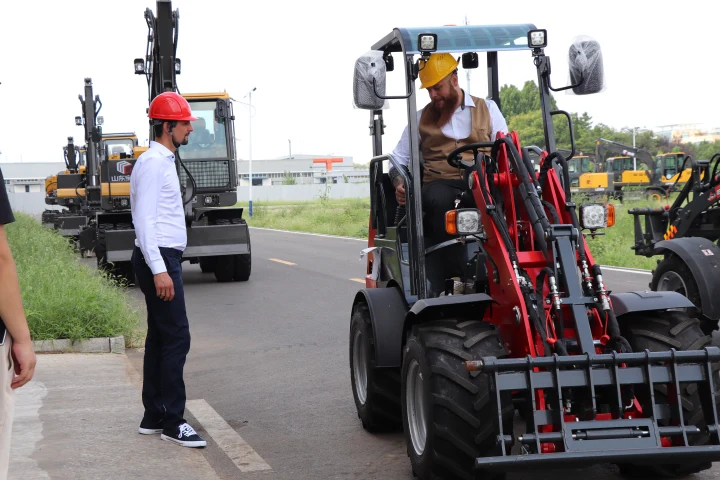
Compact Articulated Loader Market: 2026 Background & Data
The global compact articulated loader market is valued at USD 1.87 billion in 2026, growing at a 5.84% CAGR through 2032, with the “buy compact articulated loader” trend driven by small farm mechanization, urban construction, and sustainability mandates. A key market shift is the rapid rise of electric compact articulated loaders: in 2024, electric loader penetration reached 14.5%, growing 418.15% year-over-year, and this figure is projected to hit 22% by 2026. Diesel models still dominate with a 78% market share, but electric variants are gaining traction in indoor and eco-sensitive applications. When you buy compact articulated loader, understanding this market dynamic helps align your purchase with long-term industry trends.
Key market drivers influencing the electric vs diesel decision include: stricter EU Stage V and EPA Tier 4 Final emissions standards, which penalize high-emission diesel equipment; rising diesel prices (averaging USD 1.80 per liter globally in 2026) versus lower electricity costs (USD 0.15–0.25 per kWh); and growing demand for zero-emission equipment in enclosed spaces like barns and warehouses. For B2B buyers, these factors make the electric vs diesel comparison a critical part of the decision to buy compact articulated loader.
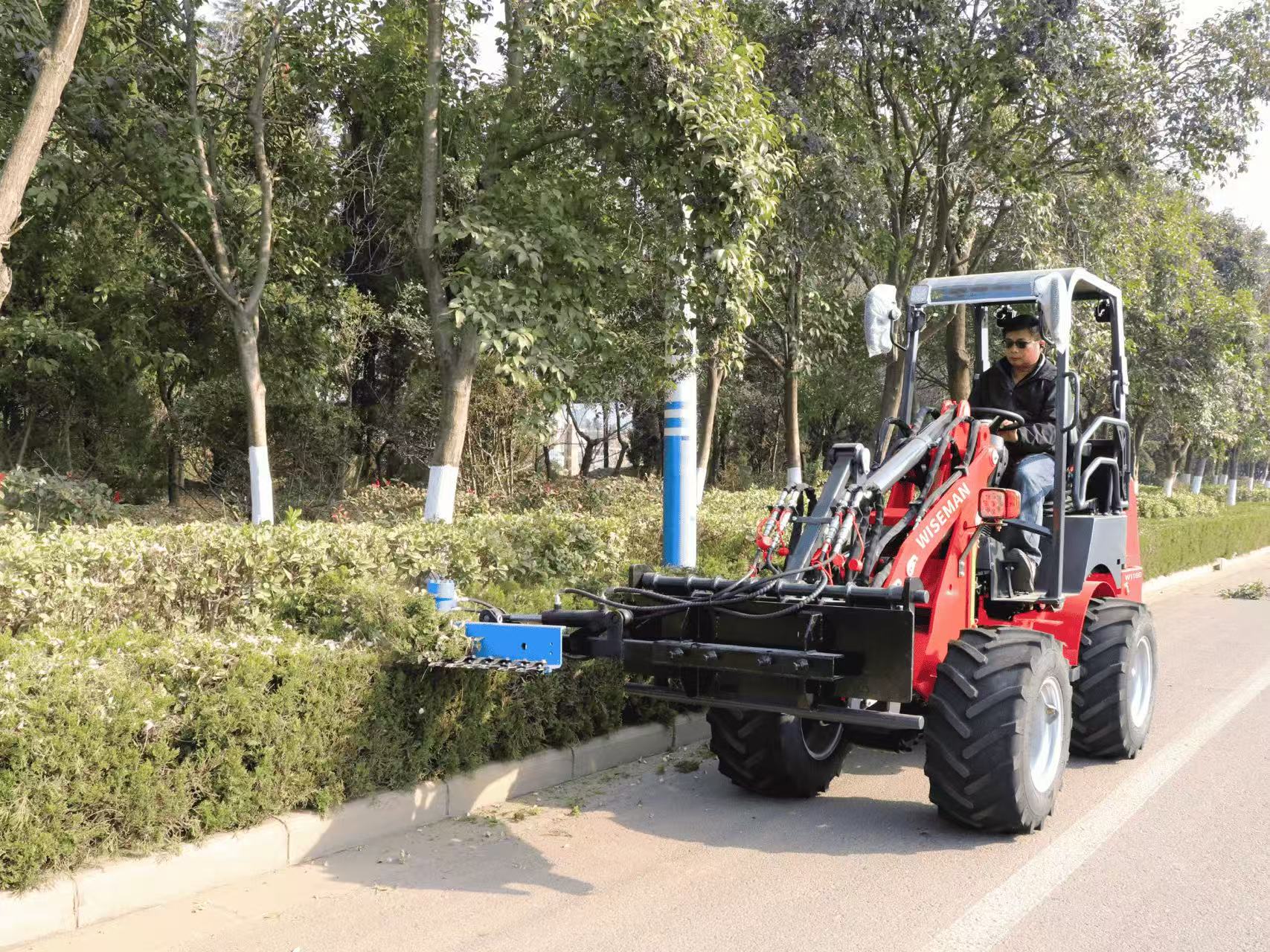
2026 Trends Shaping Electric vs Diesel Compact Articulated Loaders
The 2026 compact equipment market is defined by three key trends that directly impact the choice between electric and diesel when you buy compact articulated loader. These trends highlight the evolving needs of B2B buyers and the role of models like the VILLATRAC W1160 in meeting them.
1. Emission Compliance & Sustainability Mandates
Governments worldwide are tightening emissions regulations, with the EU, North America, and parts of Asia enforcing strict limits on diesel engine emissions. Electric compact articulated loaders offer zero tailpipe emissions, eliminating the risk of non-compliance and fines. This trend is particularly relevant for organic farms, indoor operations, and urban job sites, where diesel fumes are a health and regulatory concern. When you buy compact articulated loader, electric variants like the VILLATRAC W1160 electric model ensure compliance while reducing your carbon footprint—a key selling point for eco-conscious businesses.
2. Total Cost of Ownership (TCO) Optimization
B2B buyers increasingly prioritize TCO over upfront costs when they buy compact articulated loader. Electric models have higher initial prices (15–30% more than diesel), but lower long-term costs: electric loaders require 70% less maintenance (no oil changes, filters, or engine tune-ups) and 50–70% lower energy costs compared to diesel. For example, a diesel compact articulated loader consumes 25 liters of diesel per hour, while an electric model uses 50 kWh per hour—translating to daily savings of over USD 200 for 8-hour shifts. Over 5 years, the TCO of an electric loader is nearly 50% lower than diesel, making it a cost-effective choice for long-term operations.
3. Technological Advancements in Electric Power
Battery technology has improved dramatically, addressing past concerns about range and charging time. Modern electric compact articulated loaders, including the VILLATRAC W1160 electric variant, feature high-capacity lithium-ion batteries that deliver 6–8 hours of continuous operation—enough for a full workday on most small farms and job sites. Fast-charging technology (80% charge in 1–2 hours) and battery life of 3,000+ cycles further enhance practicality. These advancements make electric models a viable alternative to diesel when you buy compact articulated loader, even for high-demand applications.
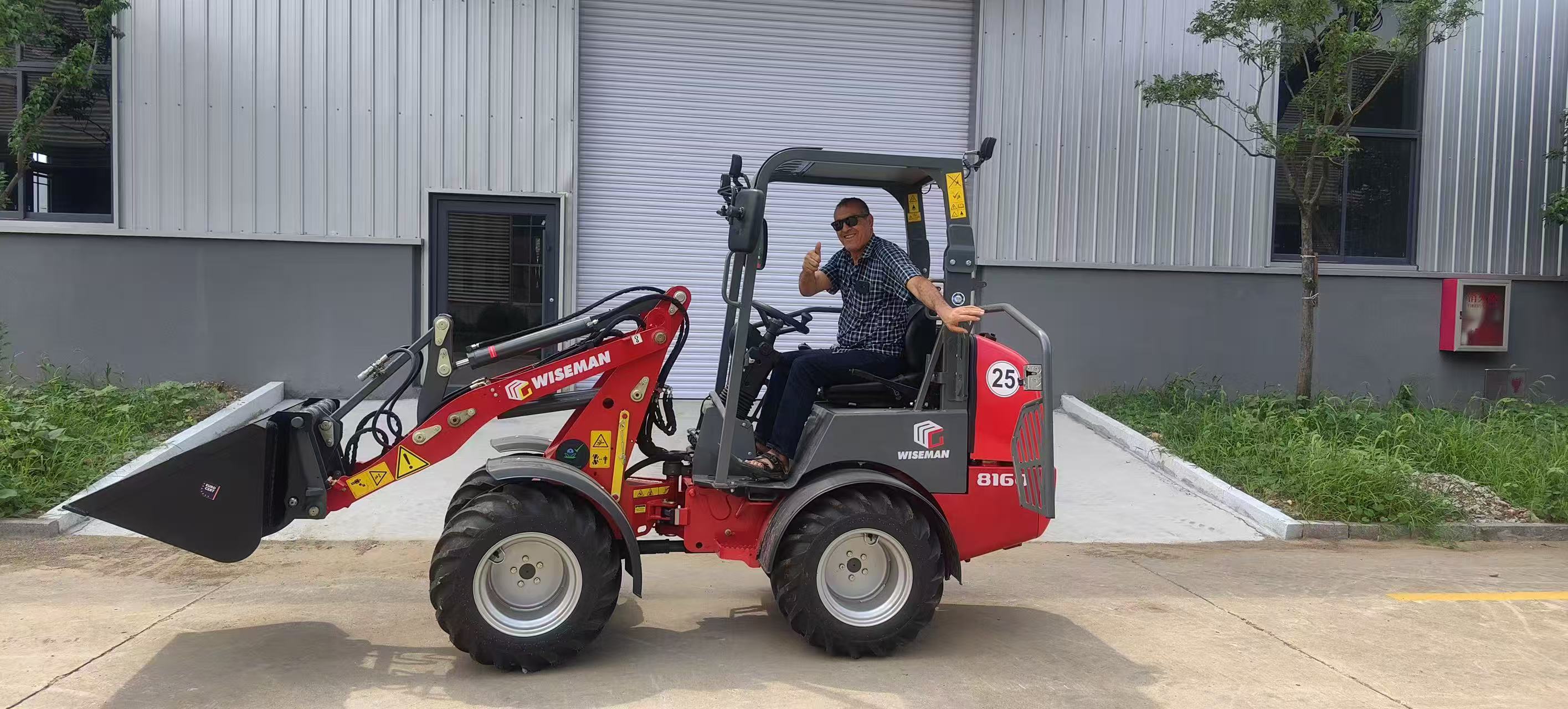
Electric Wheel Loader vs Diesel: Pros & Cons (Featuring VILLATRAC W1160)
The VILLATRAC W1160 is available in both electric and diesel variants, each tailored to specific operational needs. Below is a detailed comparison of the pros and cons of each power type, using the W1160’s specs to illustrate real-world performance—critical insights when you buy compact articulated loader.
VILLATRAC W1160 Diesel Compact Articulated Loader: Pros & Cons
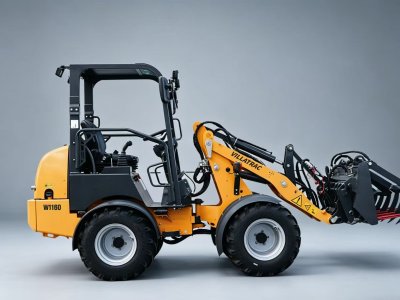
The diesel-powered VILLATRAC W1160 features a 3-cylinder Perkins 403-I-11 water-cooled engine, certified to EU Stage V emissions standards, delivering 18.4kW of power. It retains the model’s signature 51° articulation angle, 3180mm max lifting height, and 850kg tipping load—making it a workhorse for heavy-duty tasks.
Pros: Exceptional power and endurance, ideal for all-day heavy loads (e.g., hay bale stacking, manure removal) and remote farm sites without access to charging infrastructure. Diesel engines are proven durable, with a lifespan of 10,000+ hours, and parts are widely available globally for easy maintenance. The W1160 diesel model’s 26L fuel tank provides 8–10 hours of runtime, reducing downtime during peak seasons. For B2B buyers in remote areas, diesel remains a reliable choice when you buy compact articulated loader.
Cons: Higher long-term costs due to fuel and maintenance (oil changes, filter replacements, engine servicing). Emissions may limit use in enclosed spaces like barns or urban job sites, risking non-compliance with local regulations. Diesel models are also noisier (75–85 dB) than electric variants, which can be a drawback in residential or noise-sensitive areas. Additionally, diesel engines contribute to carbon emissions, which may conflict with sustainability goals.
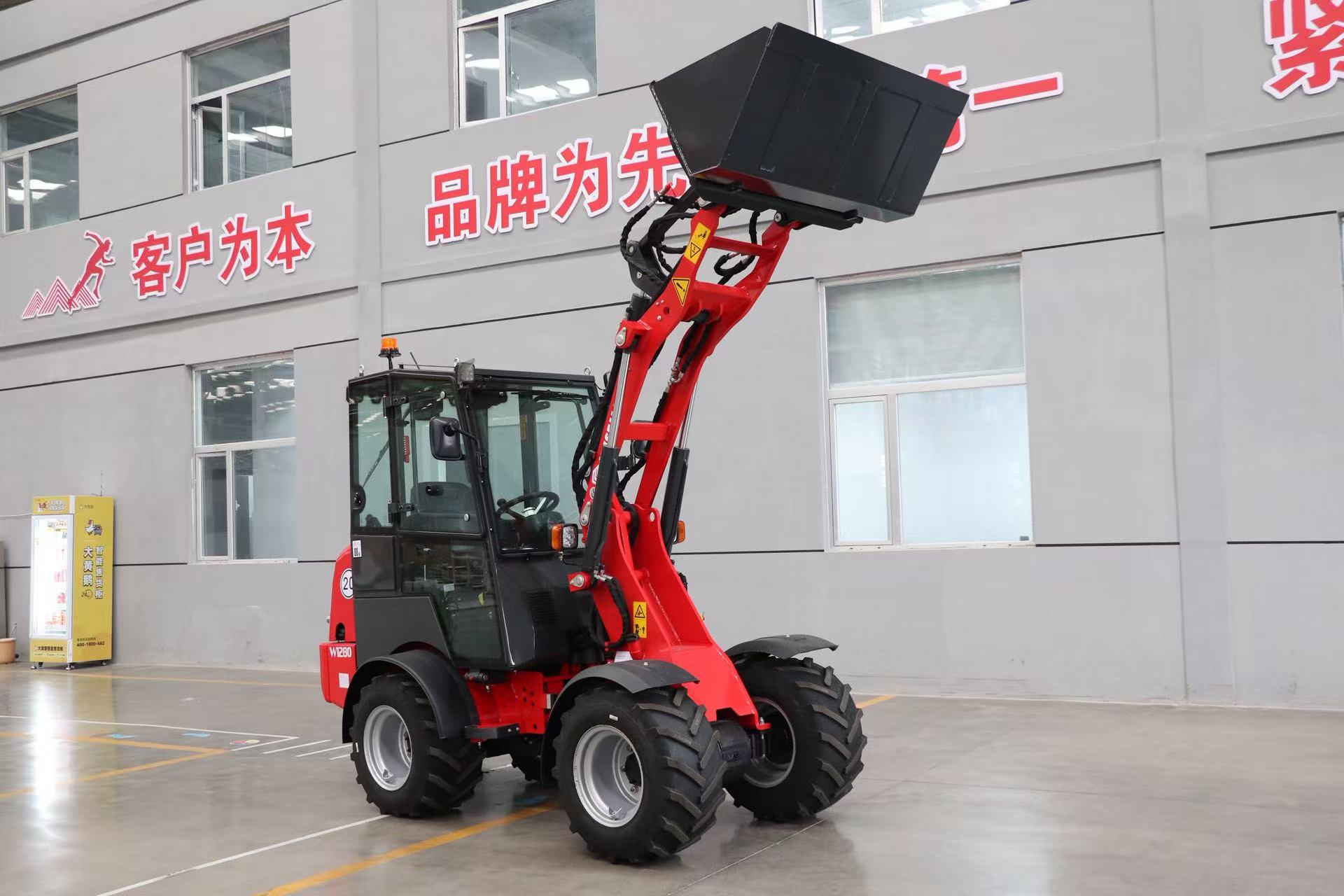
VILLATRAC W1160 Electric Compact Articulated Loader: Pros & Cons
The electric VILLATRAC W1160 matches the diesel model’s performance specs—51° articulation angle, 3180mm lifting height, 850kg tipping load—with a 18.4kW electric motor and lithium-ion battery pack. It features the same 32L/min work hydraulic output and 180bar service pressure, ensuring consistent attachment performance.
Pros: Zero emissions and low noise (55–65 dB), perfect for indoor barn work, organic farms, and urban construction. 70% lower maintenance costs (no engine-related servicing) and 50–70% lower energy costs compared to diesel. Fast charging (80% in 1.5 hours) and 6–8 hours of runtime meet most daily operational needs. The electric W1160 also qualifies for green energy incentives in many regions, reducing upfront costs when you buy compact articulated loader. Its simple electric drive system has fewer moving parts, reducing breakdown risks and downtime.
Cons: Higher upfront cost (15–30% more than diesel). Reliance on charging infrastructure, which may require investment for remote farm sites. While battery life is 3,000+ cycles (5–7 years), replacement costs are higher than diesel engine overhauls. For all-day heavy-duty tasks (e.g., 10+ hours of continuous operation), diesel may still be more practical, though fast-charging options can mitigate this limitation.
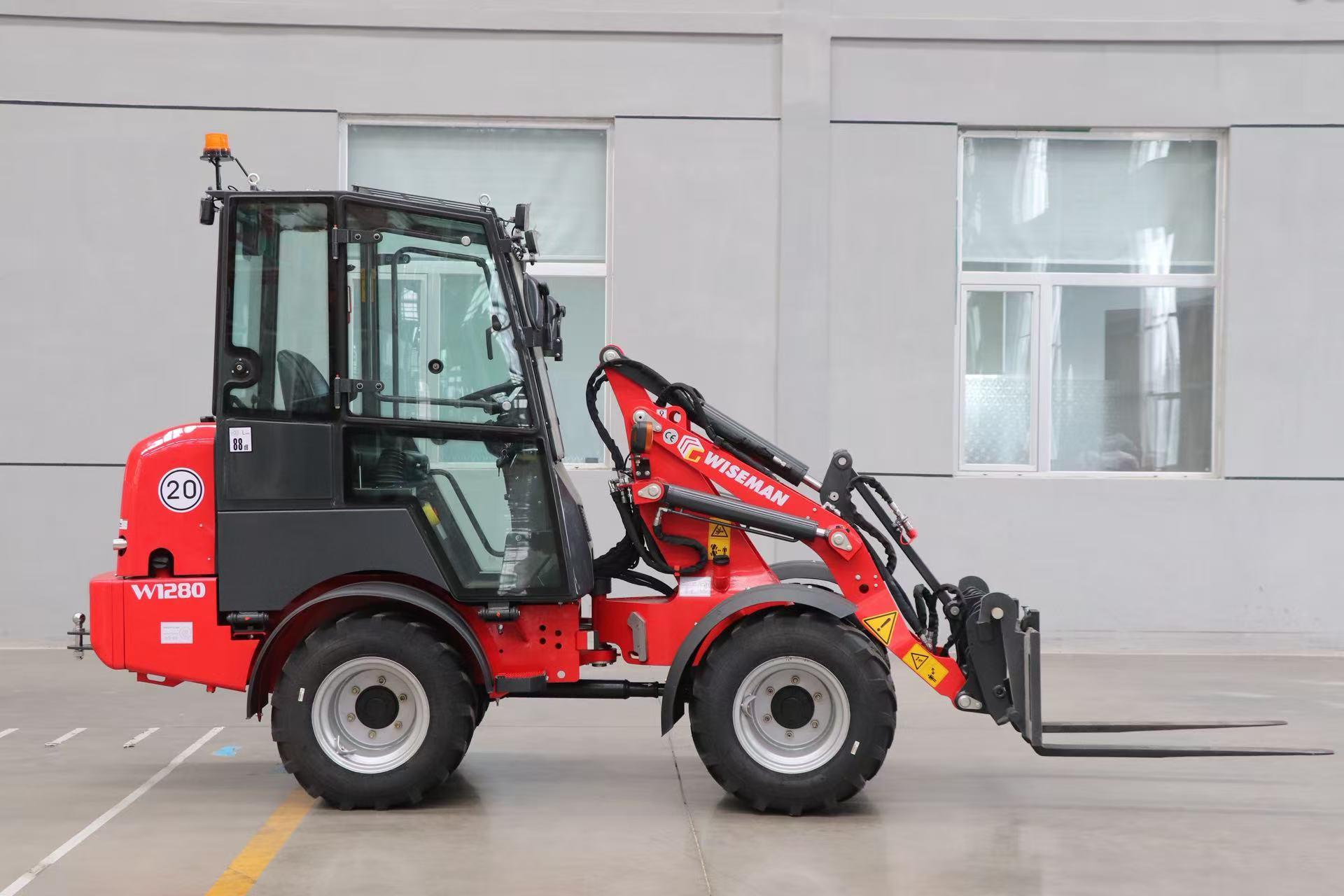
Technical Deep Dive: VILLATRAC W1160 – The Ideal Choice When You Buy Compact Articulated Loader
Whether you choose electric or diesel, the VILLATRAC W1160 is engineered to deliver the performance, versatility, and durability B2B buyers demand when they buy compact articulated loader. Its technical design addresses key pain points for small farms, landscaping, and light construction, regardless of power type.
1. Core Performance (Electric & Diesel Variants)
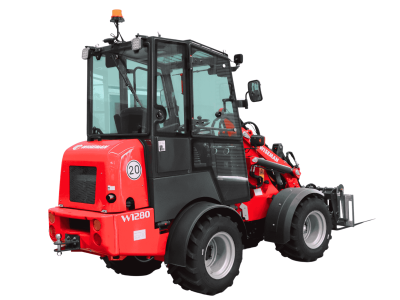
Both variants of the VILLATRAC W1160 share the same compact articulated design: 3895mm total length, 1300mm width, and 1850kg tare weight, delivering <40kPa ground pressure to protect soil and delicate terrain. The 51° articulation angle ensures a tight turning radius, making it ideal for narrow barns, orchard rows, and urban job sites. With a max lifting height of 3180mm and 850kg tipping load, the W1160 handles common tasks like feed handling, material transport, and light construction with ease—critical features when you buy compact articulated loader.
2. Manufacturing & Quality Assurance
The VILLATRAC W1160 is manufactured with high-strength steel for the frame and boom, ensuring durability in harsh farm and construction environments. Each unit undergoes rigorous testing, including load capacity, hydraulic performance, and articulation angle checks, to meet international B2B standards. The electric variant’s battery pack is IP67-rated for water and dust resistance, while the diesel engine’s Stage V certification ensures compliance with global emissions rules. This commitment to quality makes the W1160 a reliable investment when you buy compact articulated loader.
3. Attachment Versatility
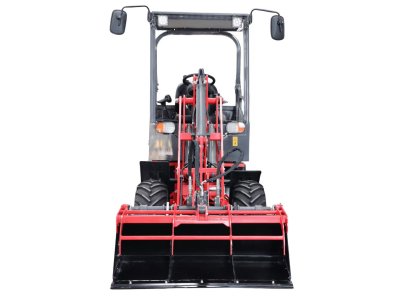
A key advantage of the VILLATRAC W1160 is its universal quick-coupler system, compatible with all standard compact loader attachments (buckets, pallet forks, sweepers, augers, manure spreaders). Both electric and diesel variants deliver consistent hydraulic power (32L/min output, 180bar pressure), ensuring optimal attachment performance. This versatility eliminates the need for multiple specialized machines, reducing costs and improving efficiency—essential when you buy compact articulated loader for multi-task operations.
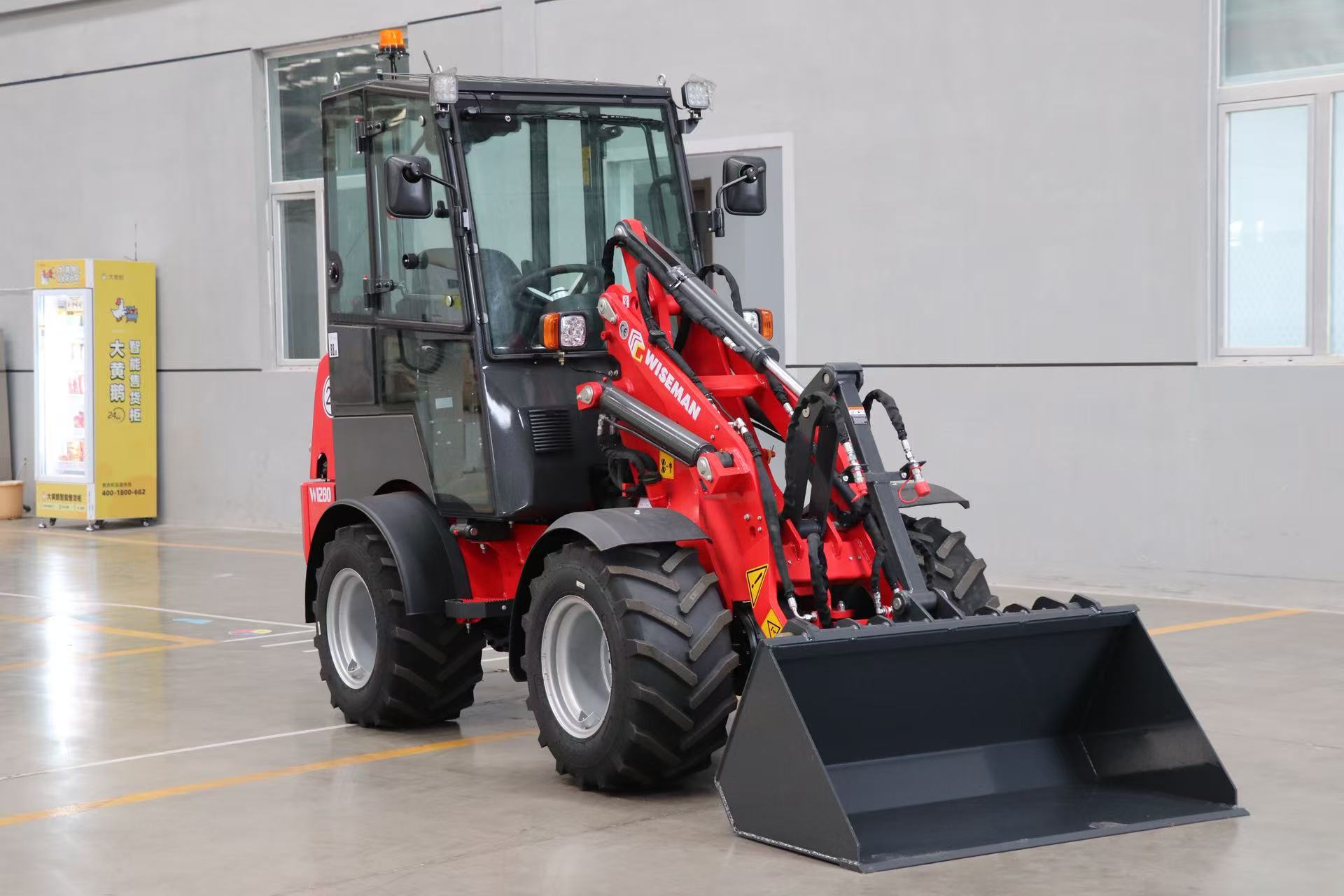
Applications: Which VILLATRAC W1160 Variant Is Right for You?
When you buy compact articulated loader, matching the power type to your application is critical. The VILLATRAC W1160’s electric and diesel variants excel in different scenarios, ensuring you get the right tool for the job.
Electric W1160: Best For
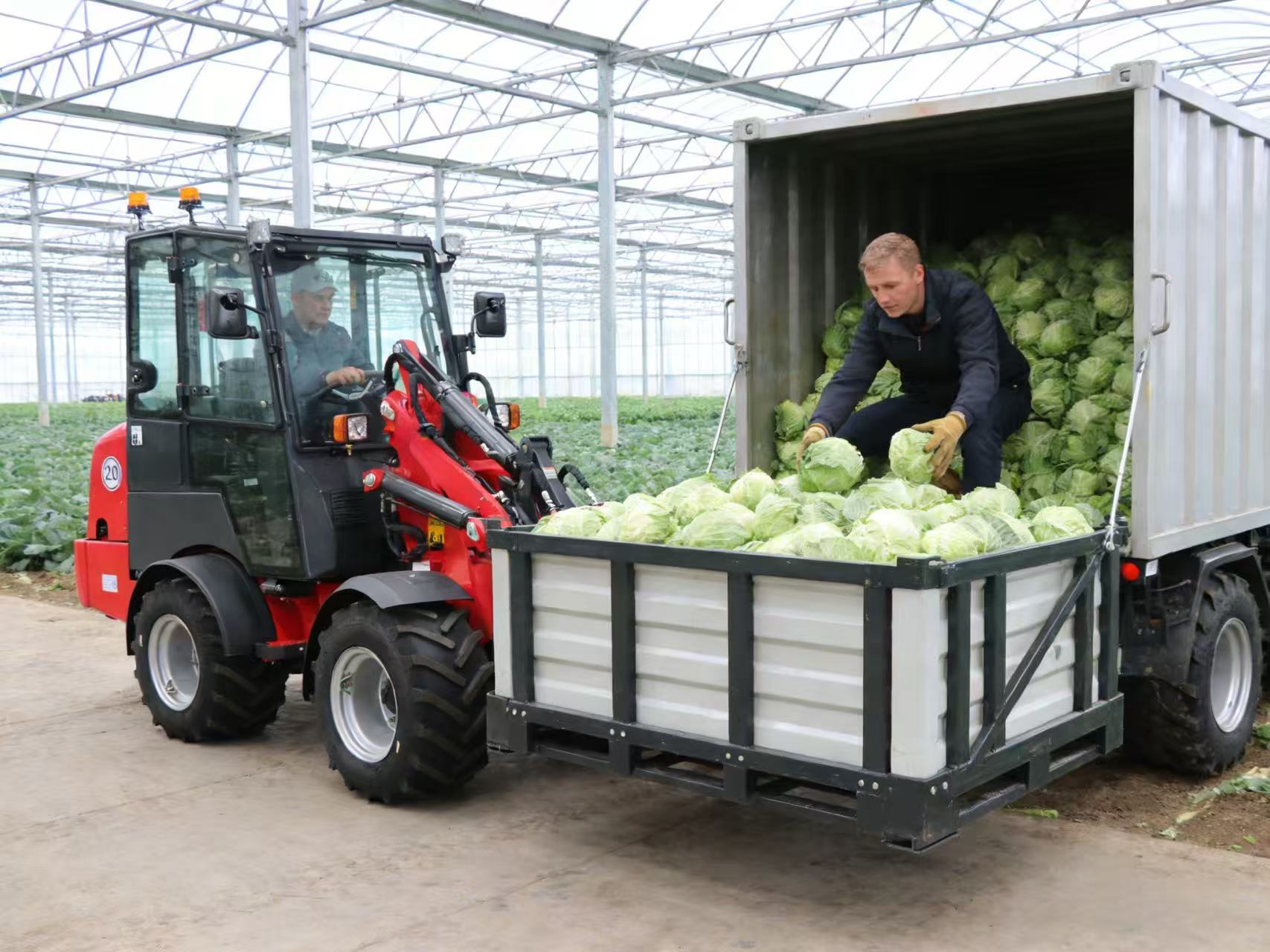
Indoor operations (barns, warehouses), organic farms, urban landscaping, and job sites with strict emission regulations. Ideal for small to medium farms (5–50 acres) with daily tasks like feed handling, barn cleaning, and light material transport. Perfect for businesses prioritizing sustainability, low noise, and long-term cost savings.
Diesel W1160: Best For
Remote farms without charging infrastructure, heavy-duty all-day operations (e.g., hay bale stacking, large-scale manure removal), and construction sites with high power demands. Ideal for farms over 50 acres or businesses with inconsistent access to electricity. A reliable choice for B2B buyers who prioritize endurance and immediate refueling capability.
FAQ: Key Questions When You Buy Compact Articulated Loader (Electric vs Diesel)
B2B buyers often have critical questions about electric vs diesel when preparing to buy compact articulated loader. Below are the most common inquiries, with insights tailored to the VILLATRAC W1160.
Q1: Is the electric VILLATRAC W1160 powerful enough for heavy farm tasks?
A: Yes. The electric W1160 delivers the same 18.4kW power, 850kg tipping load, and 3180mm lifting height as the diesel variant. It handles heavy tasks like hay bale lifting (up to 850kg) and manure removal with ease, making it suitable for most small farm operations. For all-day heavy-duty use, the diesel variant may be preferable, but the electric model’s fast charging ensures minimal downtime.
Q2: What is the total cost of ownership for electric vs diesel W1160?
A: The diesel W1160 has a lower upfront cost, but the electric variant offers 50% lower TCO over 5 years. Electric models save on fuel (USD 25,000+ annually for 8-hour daily use) and maintenance (70% less than diesel). While electric batteries cost more to replace, their 5–7 year lifespan aligns with diesel engine overhauls, making electric a more cost-effective choice for long-term use when you buy compact articulated loader.
Q3: How long does the electric W1160’s battery last, and how easy is it to charge?
A: The electric W1160’s lithium-ion battery provides 6–8 hours of continuous operation—enough for a full workday. Fast charging (80% charge in 1.5 hours) allows for quick top-ups during breaks, and standard 220V charging is compatible with most farm and job site electrical systems. The battery has a 3,000+ cycle lifespan (5–7 years), and VILLATRAC offers battery replacement services for long-term reliability.
Q4: Which variant is better for remote farms without electricity?
A: The diesel W1160 is the better choice for remote farms. It requires no charging infrastructure, and diesel fuel is widely available globally. The 26L fuel tank provides 8–10 hours of runtime, and refueling takes minutes—critical for operations with no access to electricity. If you plan to add charging infrastructure in the future, the electric variant can still be a viable long-term investment when you buy compact articulated loader.
Conclusion & Call to Action
When comparing electric wheel loader vs diesel, the choice depends on your operational needs, infrastructure, and sustainability goals—but the VILLATRAC W1160 excels in both variants, making it the top choice when you buy compact articulated loader in 2026. The electric W1160 offers zero emissions, low costs, and quiet operation for indoor and eco-sensitive tasks, while the diesel variant delivers endurance and reliability for remote, heavy-duty use. Both models share the same compact articulated design, versatility, and quality, ensuring you get a machine that boosts productivity and reduces long-term costs.
Ready to buy compact articulated loader that aligns with your business needs? Contact our B2B compact equipment specialists today to learn more about the VILLATRAC W1160 electric and diesel variants. We provide personalized recommendations, detailed spec sheets, TCO calculations, and competitive pricing tailored to your industry—whether you’re a small farm, landscaping business, or construction company. Invest in the VILLATRAC W1160 and choose the power type that drives your success in 2026.