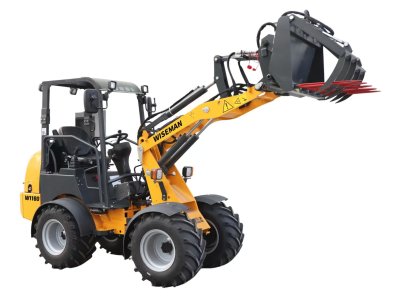
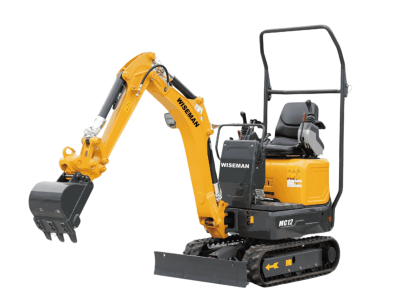
How to Choose a Compact Wheel Loader for Your Business: A Comprehensive Guide for B2B Buyers
In the competitive landscape of B2B operations, selecting the right equipment is a critical decision that directly impacts productivity, operational costs, and long-term profitability. For businesses across construction, agriculture, landscaping, and material handling, the compact wheel loader has emerged as an indispensable workhorse offering the perfect balance of maneuverability, versatility, and power. Unlike full-size wheel loaders, a compact wheel loader is designed to thrive in confined spaces while delivering the performance needed to handle a wide range of tasks, making it a top choice for small to medium-sized enterprises (SMEs) and large corporations alike. This guide will walk you through everything you need to know to choose the ideal compact wheel loader for your business, from industry context and market insights to technical considerations and practical FAQs.
The Compact Wheel Loader Industry: Background, Market Data, and Growth Trends
The global compact wheel loader market is entering a period of sustained growth, driven by rapid urbanization, expanding infrastructure investment, and the increasing demand for versatile, space-efficient machinery. As cities grow vertically and job sites become more constrained, businesses are shifting from bulky equipment to compact alternatives that can navigate tight spaces without sacrificing performance. According to industry reports, the global compact wheel loader market was valued at USD 4.52 billion in 2026 and is projected to grow to USD 7.47 billion by 2036, registering a compound annual growth rate (CAGR) of 5.2% over the forecast period.
Key drivers of this growth include the rising adoption of compact wheel loaders in emerging economies, where infrastructure development is accelerating, and the growing need for mechanization in the agriculture sector. In addition, the push for sustainability and technological innovation is reshaping the market, with manufacturers integrating advanced features to enhance efficiency and reduce environmental impact. North America and Europe currently dominate the market due to established construction and agriculture industries, while the Asia-Pacific region is expected to experience the fastest growth in the coming years, fueled by rapid urbanization and industrial development.
For B2B buyers, this growth translates to a wider range of compact wheel loader options, but it also means navigating a more complex market. Understanding the latest trends and market dynamics is essential to making an informed decision that aligns with your business goals.
Key Trends Shaping the Compact Wheel Loader Market in 2026
To choose the best compact wheel loader for your business, it’s critical to stay ahead of industry trends that are redefining the capabilities and value of these machines. Here are the most impactful trends for B2B buyers in 2026:
1. Electrification and Sustainability
Sustainability has become a top priority for B2B buyers, and the compact wheel loader market is responding with the rise of electric and hybrid models. Electric compact wheel loaders offer zero emissions, lower noise levels, and reduced operating costs making them ideal for indoor operations, urban job sites, and businesses looking to meet environmental regulations. Manufacturers are investing heavily in electric powertrains, with models like the Case CL36 EV leading the way in combining zero emission performance with the versatility that B2B buyers demand. This trend is expected to accelerate as governments worldwide implement stricter emission standards, making electric compact wheel loaders a long-term, cost-effective investment.
2. Technological Integration
Modern compact wheel loaders are no longer just mechanical machines they are equipped with advanced technologies to enhance productivity and reduce downtime. Telematics systems, for example, allow B2B buyers to monitor machine performance, track fuel efficiency, and schedule predictive maintenance, ensuring maximum uptime. Automation features, such as automatic ride control and easy attachment switching, are also becoming standard, reducing operator fatigue and improving efficiency. Additionally, ergonomic cabs with improved visibility and intuitive controls are designed to enhance operator comfort, which is critical for long workdays and reducing turnover.
3. Versatility Through Attachments
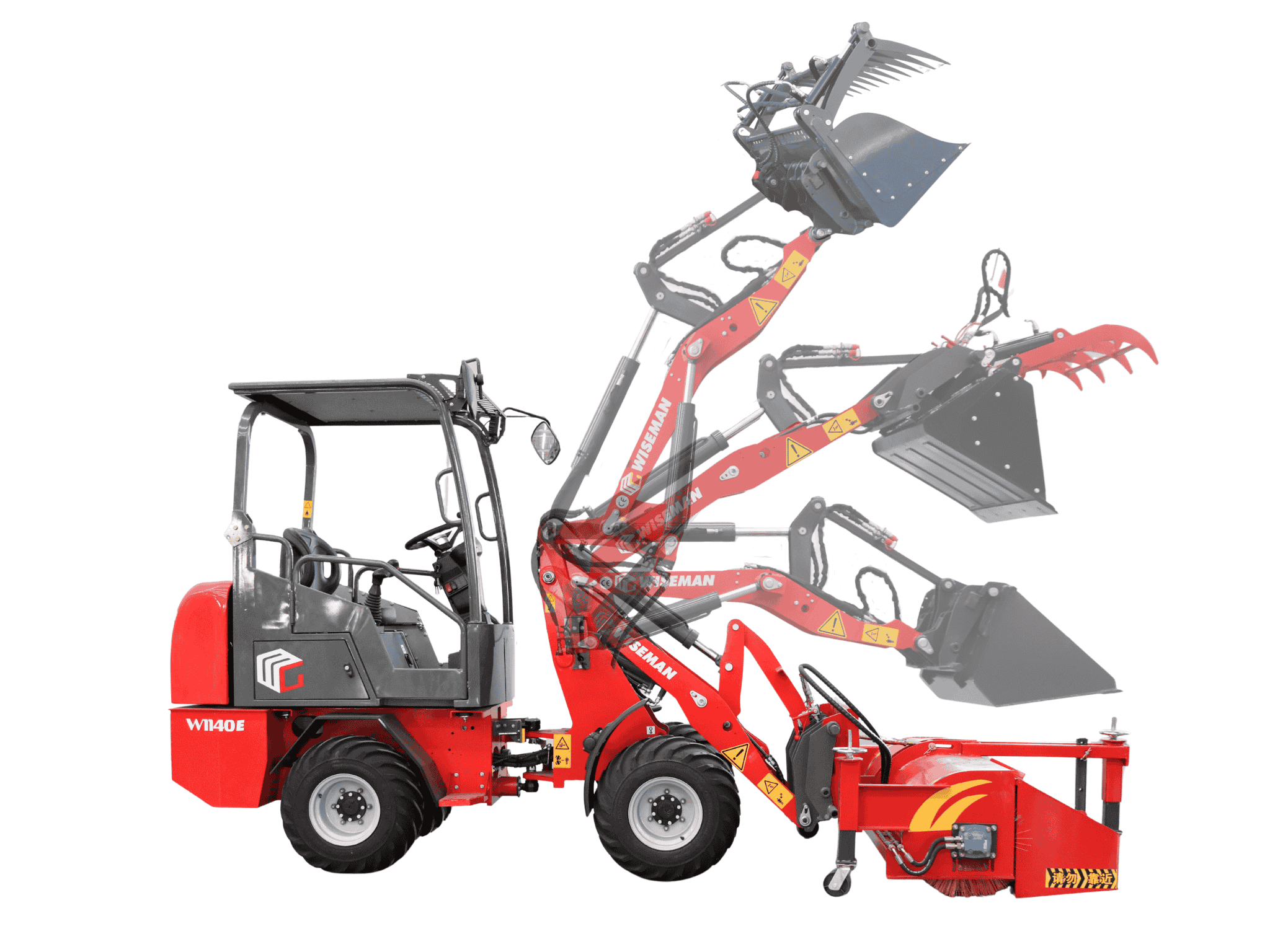
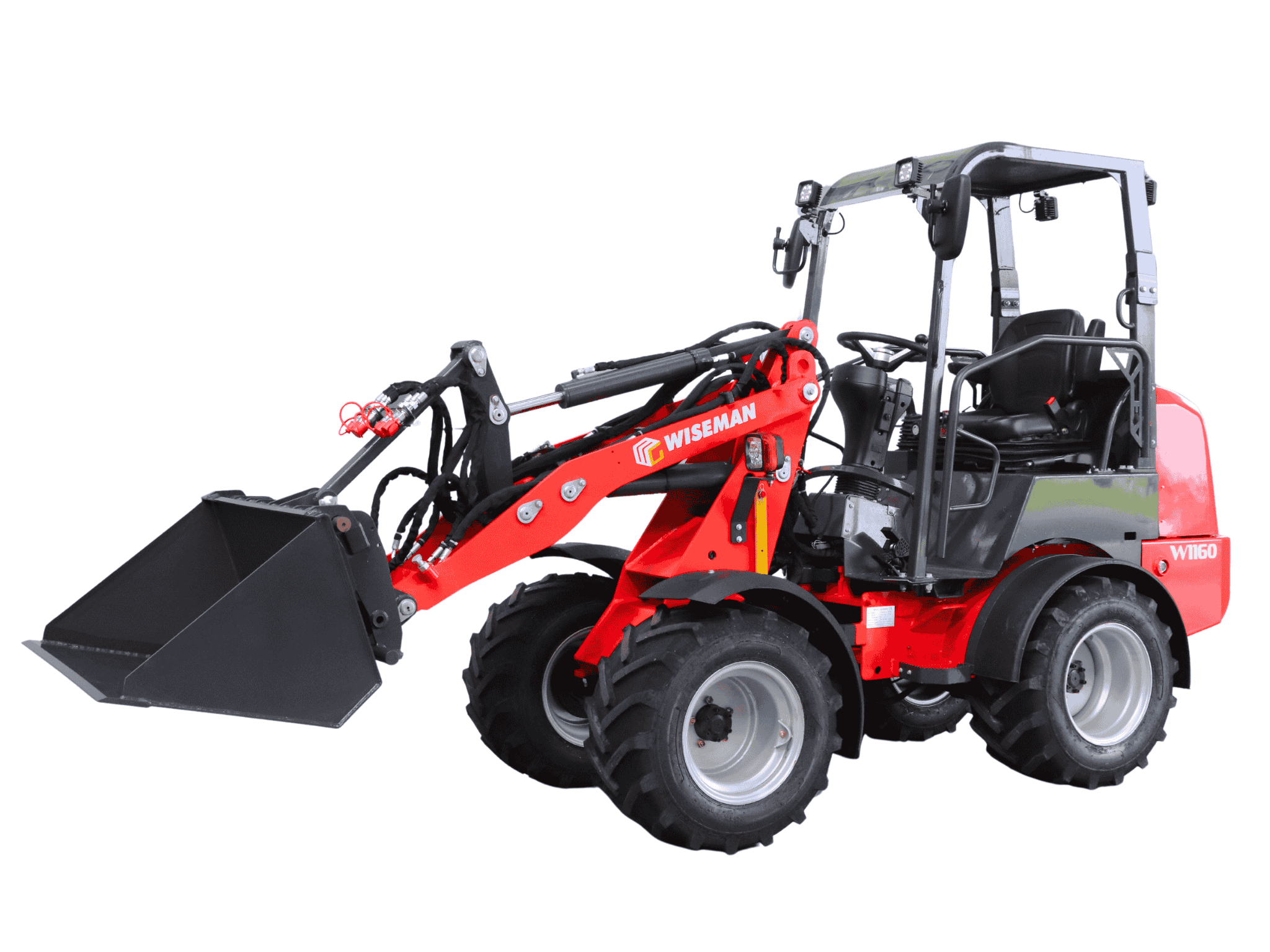
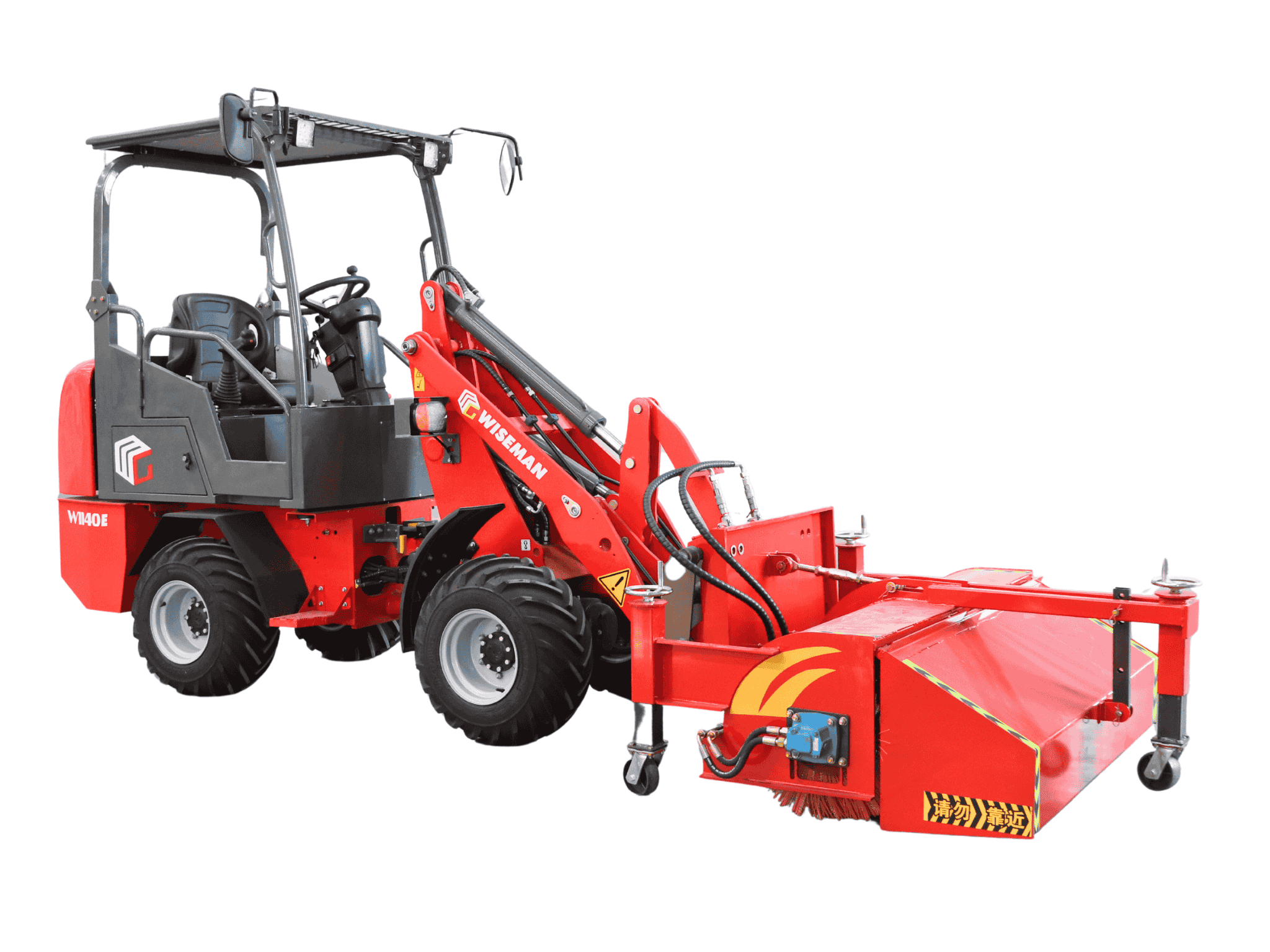
One of the biggest advantages of a compact wheel loader is its versatility, and manufacturers are expanding the range of compatible attachments to meet diverse B2B needs. From buckets and forks to snow blowers, cold planers, and grapples, a compact wheel loader can be adapted to handle tasks across construction, agriculture, landscaping, and waste management. Quick-coupling systems allow operators to switch attachments in minutes, eliminating downtime and making the machine a multi-purpose asset for businesses with varied operational needs. For B2B buyers, this versatility means getting more value from a single piece of equipment, reducing the need for multiple machines.
Technical Specifications to Consider When Choosing a Compact Wheel Loader
When evaluating compact wheel loader options, technical specifications are the foundation of your decision. Every business has unique needs, so it’s important to prioritize specs that align with your operational requirements. Below are the key technical factors to consider:
1. Engine Power and Performance
Engine power, measured in horsepower (hp), determines the compact wheel loader’s ability to handle heavy loads and tough terrain. Most compact wheel loaders range from 35 hp to 90 hp, with models under 60 hp ideal for light to medium tasks (such as landscaping and small-scale material handling) and models above 60 hp suited for heavy-duty applications (such as construction and agriculture). For example, the Bobcat L95 compact wheel loader features a 74-hp diesel engine, making it suitable for heavy loading and pushing tasks, while the Schaeff YANMAR TL65 offers 50 hp, perfect for medium-duty operations. Additionally, consider fuel efficiency—diesel models are still the most common, but electric models offer lower long-term fuel costs.
2. Load Capacity and Lift Height
Load capacity (the maximum weight the compact wheel loader can lift) and lift height (how high it can lift the load) are critical for matching the machine to your tasks. Load capacity typically ranges from 1,500 lbs to 5,000 lbs, while lift height varies from 8 feet to 14 feet. For example, if your business involves loading materials into trucks or stacking pallets, a compact wheel loader with a higher lift height (12+ feet) is essential. The Liebherr L504 compact wheel loader, with its robust lifting arms and Z-bar kinematics, offers excellent lift performance and visibility, making it ideal for loading tasks. Be sure to choose a model with a load capacity that exceeds your typical workload to avoid overworking the machine.
3. Size and Maneuverability
The primary advantage of a compact wheel loader is its size, so it’s important to choose a model that can navigate your job sites. Measure the narrowest spaces your machine will need to access (such as doorways, aisles, or tight construction sites) and compare it to the compact wheel loader’s width and turning radius. Most compact wheel loaders are less than 2.5 meters tall and feature articulated steering, which allows for a tight turning radius—making them ideal for confined spaces. The Liebherr L504, for example, is less than 2.5 meters tall, allowing it to navigate narrow passageways with ease. Additionally, consider the machine’s operating weight, as lighter models are easier to transport between job sites.
4. Construction and Durability
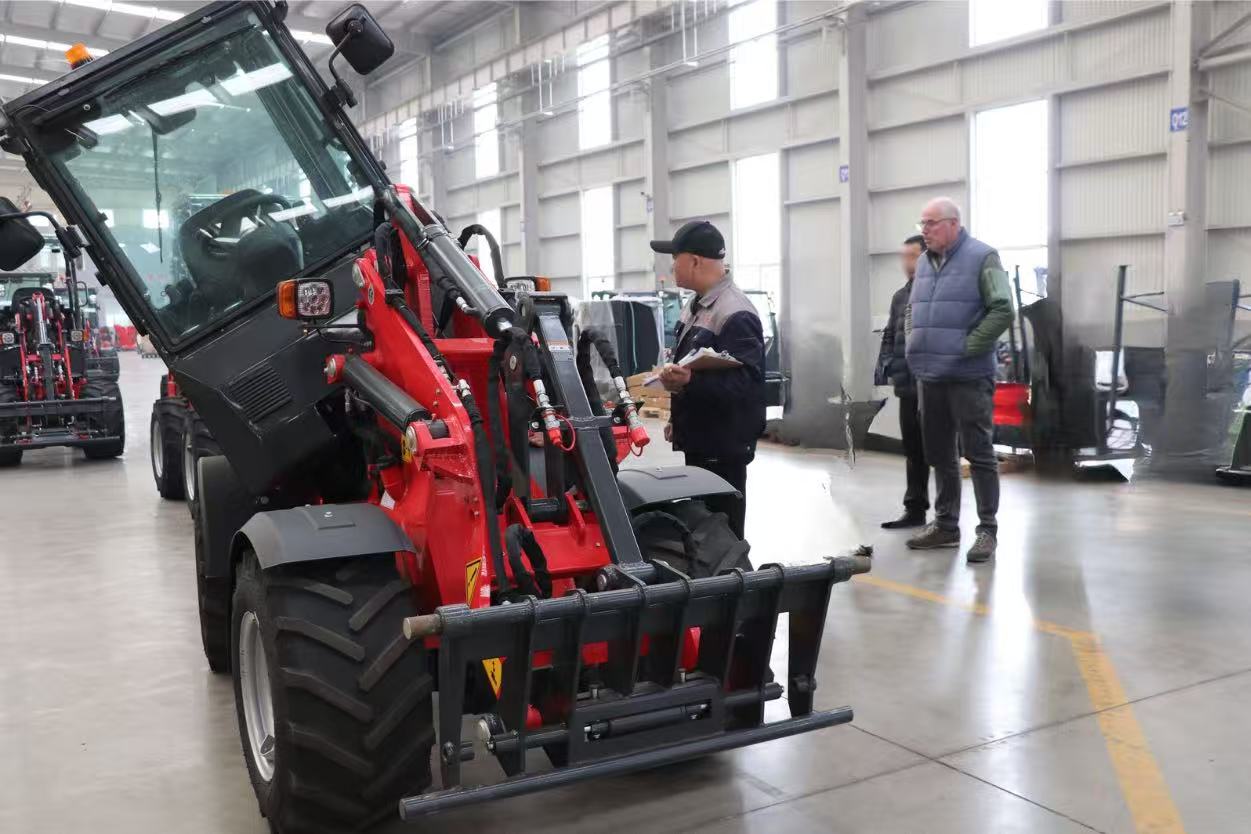
B2B buyers need equipment that can withstand heavy use and harsh conditions, so durability is a key consideration. Look for compact wheel loaders with a robust steel frame, reinforced axles, and high-quality components. Self-locking differentials provide optimum traction, while easy service accessibility minimizes downtime for maintenance. The Schaeff YANMAR TL65, for example, features a sturdy steel cab, planetary drive axles, and easy service access, ensuring long-term reliability. Additionally, check for compliance with industry standards (such as Tier 4 emission standards) to ensure the machine meets regulatory requirements in your region.
Compact Wheel Loader Applications: Match the Machine to Your Business
A compact wheel loader’s versatility makes it suitable for a wide range of B2B applications, but choosing the right model depends on your specific industry. Here’s a breakdown of common applications and the key considerations for each:
1. Construction
In construction, compact wheel loaders are used for site preparation, material transport, and debris removal. Look for models with high load capacity, robust lifting arms, and compatibility with attachments like buckets and grapples. The Bobcat L95, with its 74-hp engine and 1.2-2 cubic yard bucket capacity, is well-suited for construction tasks, offering the power to handle heavy materials and the maneuverability to navigate tight job sites.
2. Agriculture
For agricultural operations, compact wheel loaders are used for transporting feed, grain, and fertilizer, as well as cleaning barns and maintaining farm infrastructure. Choose a model with a lower center of gravity for stability on uneven terrain and compatibility with attachments like hay forks and manure spreaders. Electric models are also a good choice for indoor barn operations, as they produce no emissions and low noise.
3. Landscaping and Municipal Work
Landscapers and municipal departments rely on compact wheel loaders for tasks like grading, mulch transport, and snow removal. Look for models with a small turning radius, excellent visibility, and compatibility with attachments like snow blowers and sweepers. The Liebherr compact wheel loader series, with its optimum visibility and versatile attachment options, is ideal for landscaping and municipal applications.
FAQ: Common Questions B2B Buyers Ask About Compact Wheel Loaders
To help you make an informed decision, we’ve addressed the most common questions B2B buyers have when choosing a compact wheel loader:
Q1: What is the difference between a compact wheel loader and a skid steer loader?
While both are compact equipment, a compact wheel loader offers better lift height and load capacity than a skid steer loader, making it ideal for loading tasks. Skid steer loaders are more maneuverable in extremely tight spaces but have a lower lift height. For B2B buyers who need to load materials into trucks or stack pallets, a compact wheel loader is the better choice, while skid steers are better for tasks like digging or grading in confined areas.
Q2: How do I determine the right load capacity for my business?
Start by evaluating your typical workload—calculate the average weight of the materials you’ll be lifting and add a 10-15% buffer to avoid overloading the machine. For example, if you regularly lift 2,000 lbs of material, choose a compact wheel loader with a load capacity of at least 2,200-2,300 lbs. Additionally, consider future growth—if your business is expanding, choose a model with a slightly higher load capacity to accommodate increased demand.
Q3: Are electric compact wheel loaders a good investment for B2B buyers?
Electric compact wheel loaders are an excellent investment for businesses that operate indoors, in urban areas, or want to reduce operating costs and environmental impact. While the initial purchase price is higher than diesel models, electric compact wheel loaders have lower maintenance and fuel costs (electricity is cheaper than diesel) and qualify for environmental incentives in many regions. They are also quieter, making them suitable for noise-sensitive areas like residential neighborhoods or indoor facilities.
Q4: How important are attachments when choosing a compact wheel loader?
Attachments are critical for maximizing the value of your compact wheel loader. A machine that can use multiple attachments (such as buckets, forks, and snow blowers) eliminates the need for multiple pieces of equipment, reducing costs and improving efficiency. When choosing a compact wheel loader, ensure it has a quick-coupling system for easy attachment changes and that the manufacturer offers a wide range of compatible attachments. This versatility allows you to adapt the machine to different tasks, making it a more valuable asset for your business.
Choose the Right Compact Wheel Loader for Your Business: Take Action Today
Selecting the right compact wheel loader is a decision that will impact your business’s productivity and profitability for years to come. By understanding the industry trends, technical specifications, and your unique operational needs, you can choose a machine that delivers the performance, versatility, and durability you require. Whether you’re in construction, agriculture, landscaping, or material handling, a well-chosen compact wheel loader will help you streamline operations, reduce costs, and stay competitive in a growing market.
Ready to find the perfect compact wheel loader for your business? Contact our team of B2B equipment experts today. We offer a wide range of high-quality compact wheel loaders from top manufacturers, tailored to meet the unique needs of your industry. Our experts will help you evaluate your requirements, compare models, and make an informed decision that aligns with your business goals. Don’t wait—invest in the right compact wheel loader and take your operations to the next level.