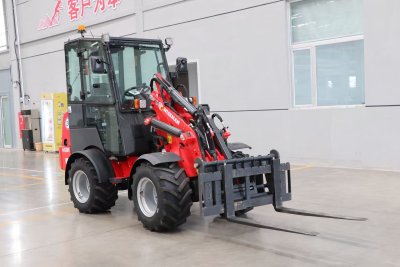
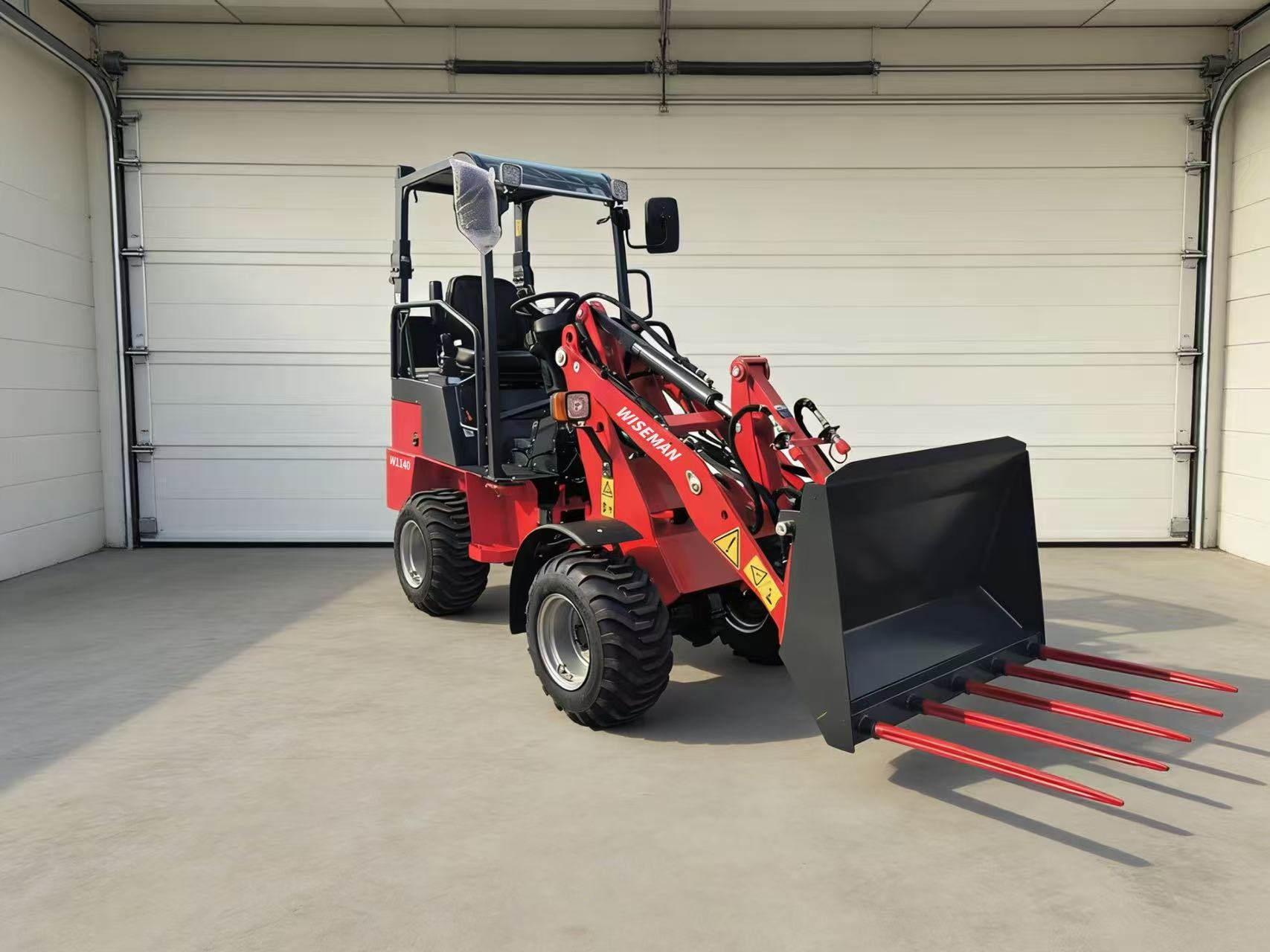
Mini Loader vs Skid Steer: Which is Better? (2026 Guide) – Featuring the WISEMAN W1160 New Compact Articulated Loader
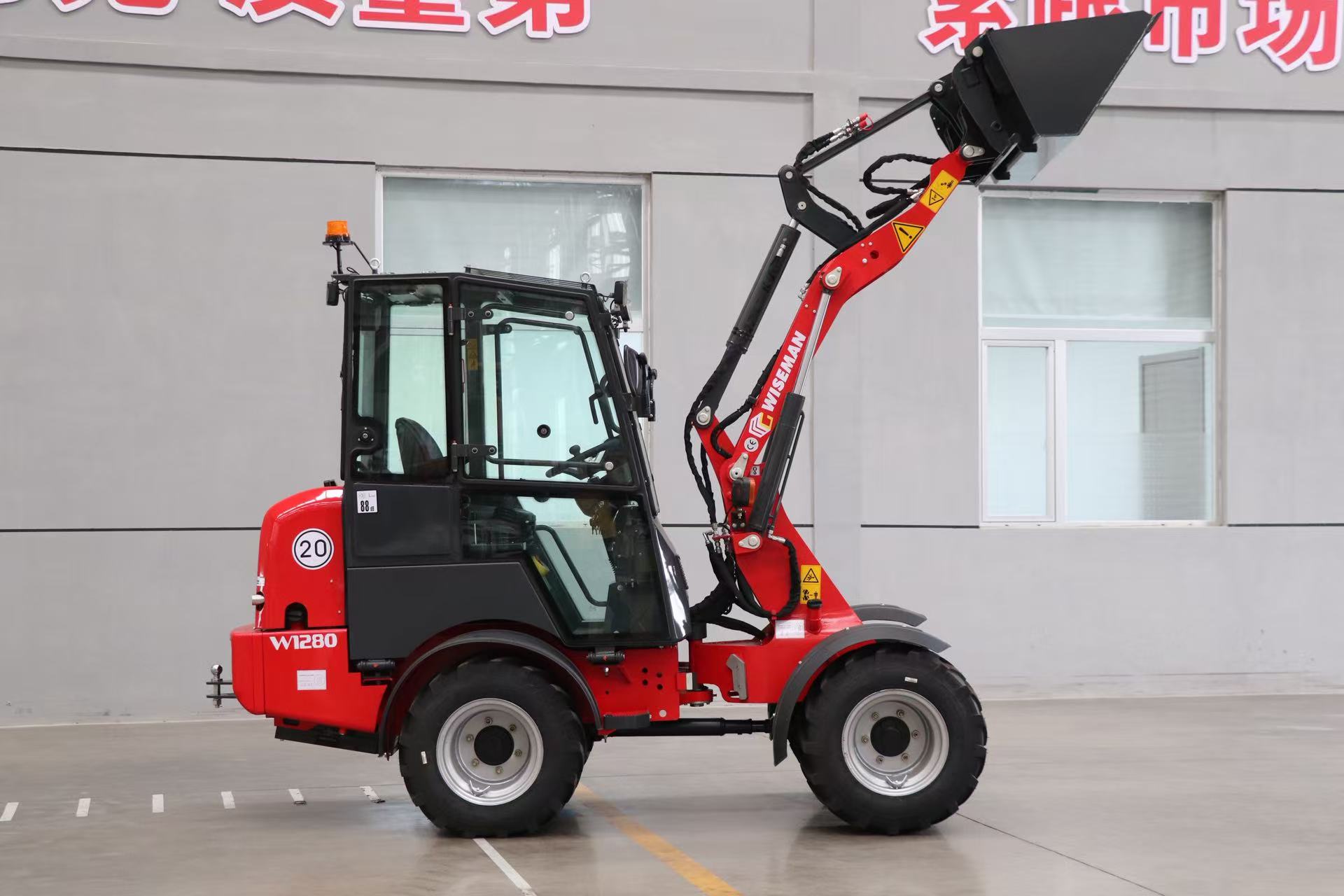
Mini Loader vs Skid Steer: Which is Better? (2026 Guide) – Featuring the VILLATRAC W1160 New Compact Articulated Loader
In the competitive landscape of compact equipment, the debate between mini loader vs skid steer remains central for B2B buyers in agriculture, construction, and landscaping. While skid steer loaders have long dominated tight-space applications, new compact articulated loader models like the VILLATRAC W1160 are redefining performance benchmarks with their unique combination of maneuverability, stability, and efficiency. This 2026 guide analyzes market trends, technical specifications, and real-world applications to help buyers determine which machine best fits their operational needs, with a deep dive into how the W1160’s articulated design outperforms traditional skid steers in key areas critical for B2B operations.
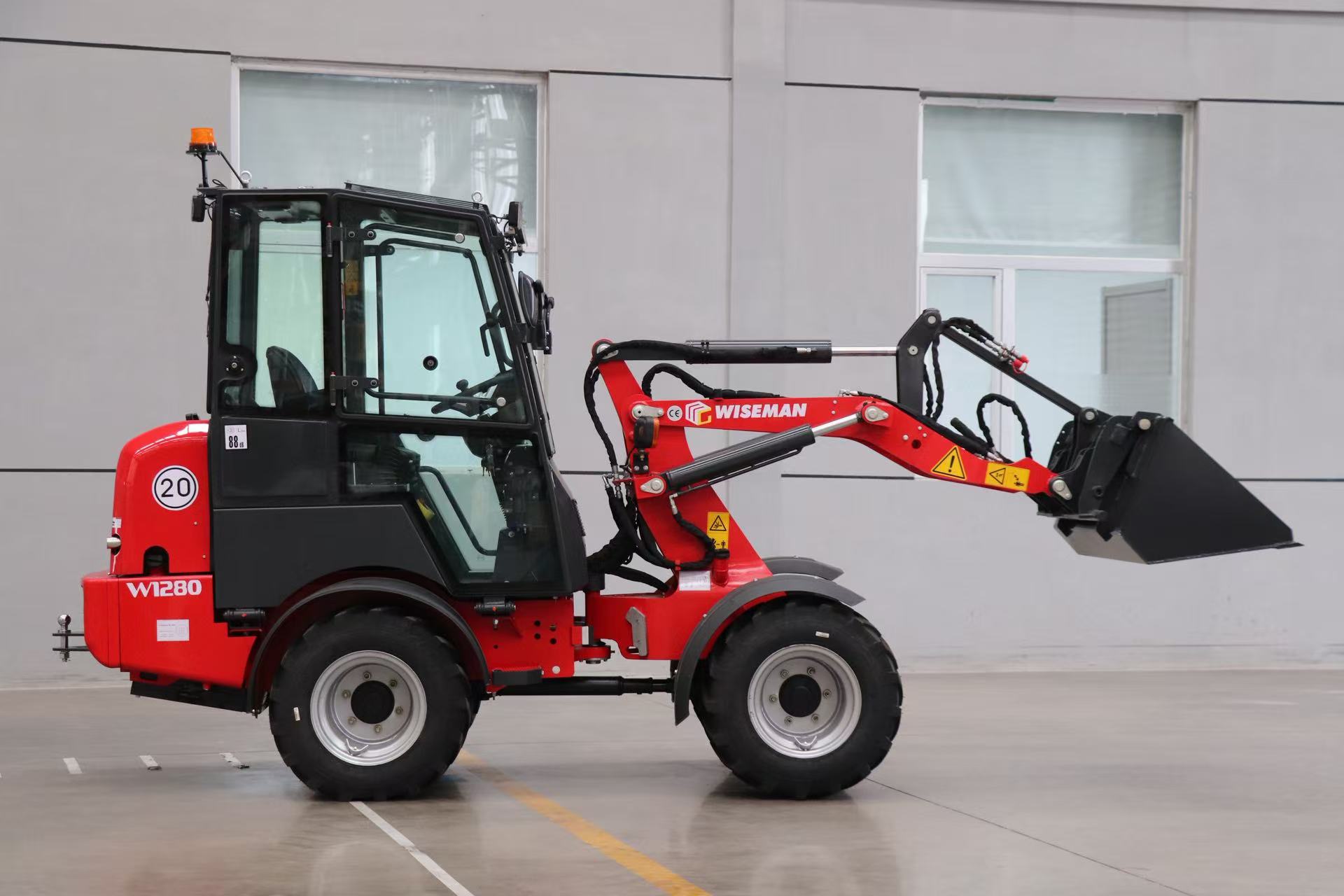
Compact Loader Market: 2026 Background & Data
The global compact loader market is valued at USD 10.23 billion in 2026, growing at a 5.2% CAGR through 2032. Within this dynamic market, the new compact articulated loader segment is the fastest-growing subcategory, reaching USD 1.87 billion in 2026 with a 5.84% CAGR—outpacing skid steer loaders, which hold a stable 37.5% market share. Small articulated wheel loaders, a key subset of new compact articulated loaders, alone hit USD 1.13 billion in 2026, expanding at an impressive 7.95% CAGR. This growth is driven by rising demand for maneuverable, stable, and low-ground-pressure equipment in small farms, urban construction sites, and landscaping projects—areas where skid steers often fall short.
Key market drivers shaping the choice between mini loaders and skid steers include labor cost inflation, which pushes businesses to adopt multi-purpose compact equipment to reduce manual labor dependency; urbanization and land fragmentation, which favor machines with tight turning radii; strict EU Stage V emissions standards, which drive demand for fuel-efficient, low-emission engines; attachment versatility, which transforms loaders into all-in-one work tools; and growing soil protection needs in agriculture, which favor low-ground-pressure articulated designs over skid steers.
2026 Trends: New Compact Articulated Loader vs Skid Steer
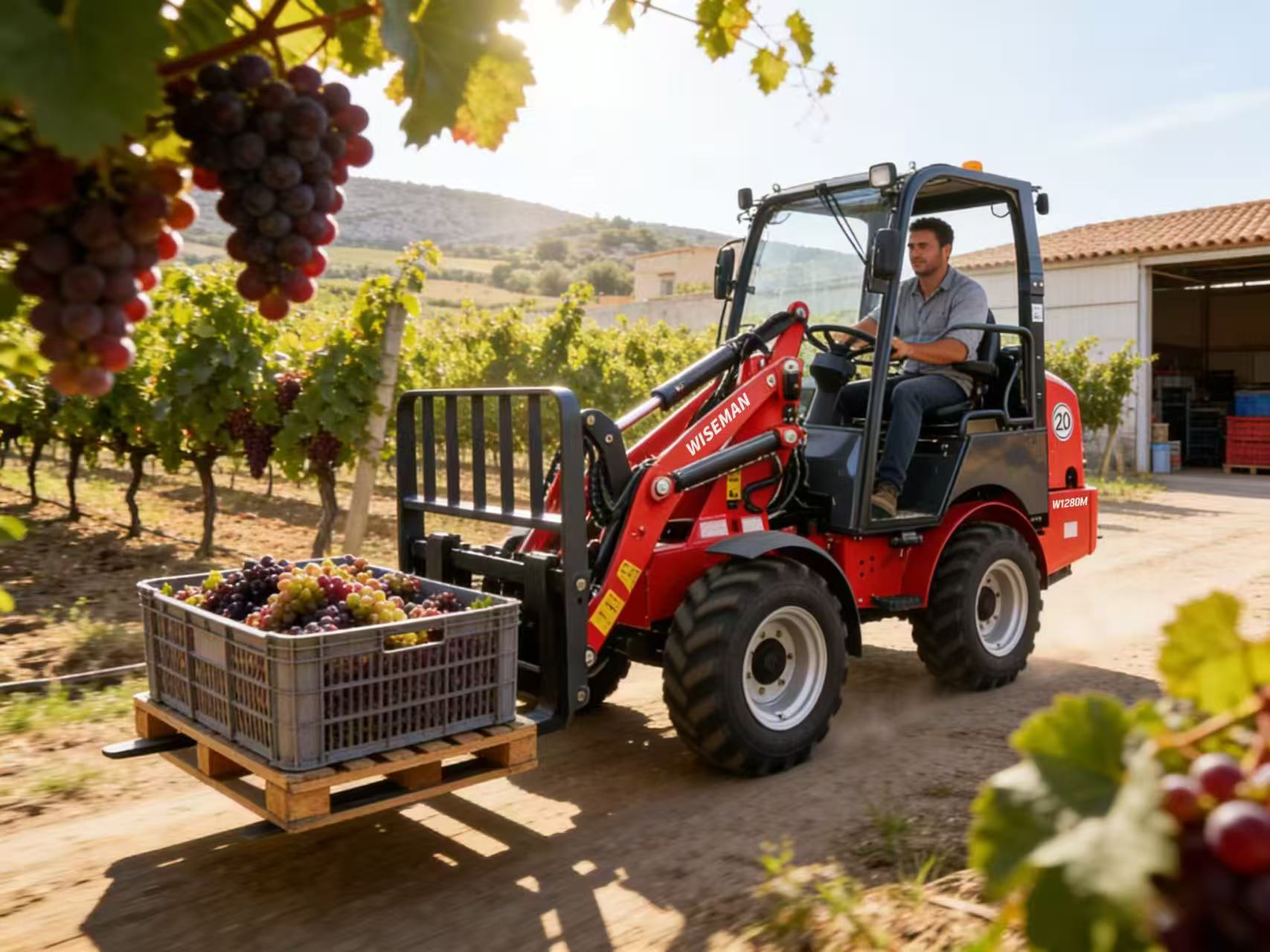
The 2026 compact equipment market is defined by a shift toward machines that balance agility with long-term cost efficiency and performance. When comparing new compact articulated loaders to skid steers, several key trends highlight the advantages of articulated designs like the VILLATRAC W1160.
1. Maneuverability & Steering Design
Skid steers rely on differential wheel speed to achieve zero-radius turns, a feature that makes them highly agile in ultra-tight spaces but comes with significant drawbacks. This skid-steering mechanism causes excessive tire wear and surface damage, increasing maintenance costs and limiting their use on delicate terrain. In contrast, new compact articulated loader models like the VILLATRAC W1160 use a 51° articulation angle, allowing the machine to pivot smoothly at the center without skidding. This design balances agility with reduced tire wear and surface disruption, making the W1160 superior for long hours of operation on farms, landscaping sites, and construction zones where preserving terrain integrity is critical.
2. Stability & Lifting Performance
Skid steers feature a rigid frame, which limits their lift height and stability when operating at full extension—especially when handling heavy loads. This can lead to safety risks and reduced productivity in material handling tasks. The W1160’s articulated frame, however, maintains optimal balance during lifting, thanks to its design that distributes weight evenly across the machine. With a max lifting height of 3180mm and a tipping load (straight) of 850kg, the W1160 outperforms comparable skid steers, which typically offer 800–900kg lifting force and 600–750kg tipping load. This makes the W1160 a more reliable choice for stacking hay bales, loading feed, or moving construction materials.
3. Ground Pressure & Terrain Adaptability
One of the most significant advantages of new compact articulated loaders over skid steers is their low ground pressure. Skid steers concentrate weight on small tire contact areas, increasing ground pressure and risking soil compaction— a major concern for agricultural buyers looking to preserve field health. The VILLATRAC W1160, with its 1850kg tare weight and wide wheelbase, delivers less than 40kPa of ground pressure, protecting farm fields, delicate landscaping, and soft terrain. Additionally, the W1160’s 221mm ground clearance surpasses the 150–180mm clearance of most comparable skid steers, allowing it to navigate obstacles like rocks and uneven ground more easily.
4. Fuel Efficiency & Emissions
While modern skid steers meet strict emission standards, their skid-steering mechanism often results in higher fuel consumption due to power loss during turns. The VILLATRAC W1160 addresses this with its Perkins 403-I-11 Stage V engine, which delivers 18.4kW of power while optimizing fuel efficiency. This engine, paired with the W1160’s hydrostatic drive system, reduces power waste and aligns with 2026 sustainability trends, helping B2B buyers lower operational costs over the machine’s lifespan. The W1160’s 26L fuel tank also offers longer runtime between refuels compared to the 20–24L tanks of most comparable skid steers, reducing downtime during busy work cycles.
Technical Deep Dive: VILLATRAC W1160 New Compact Articulated Loader
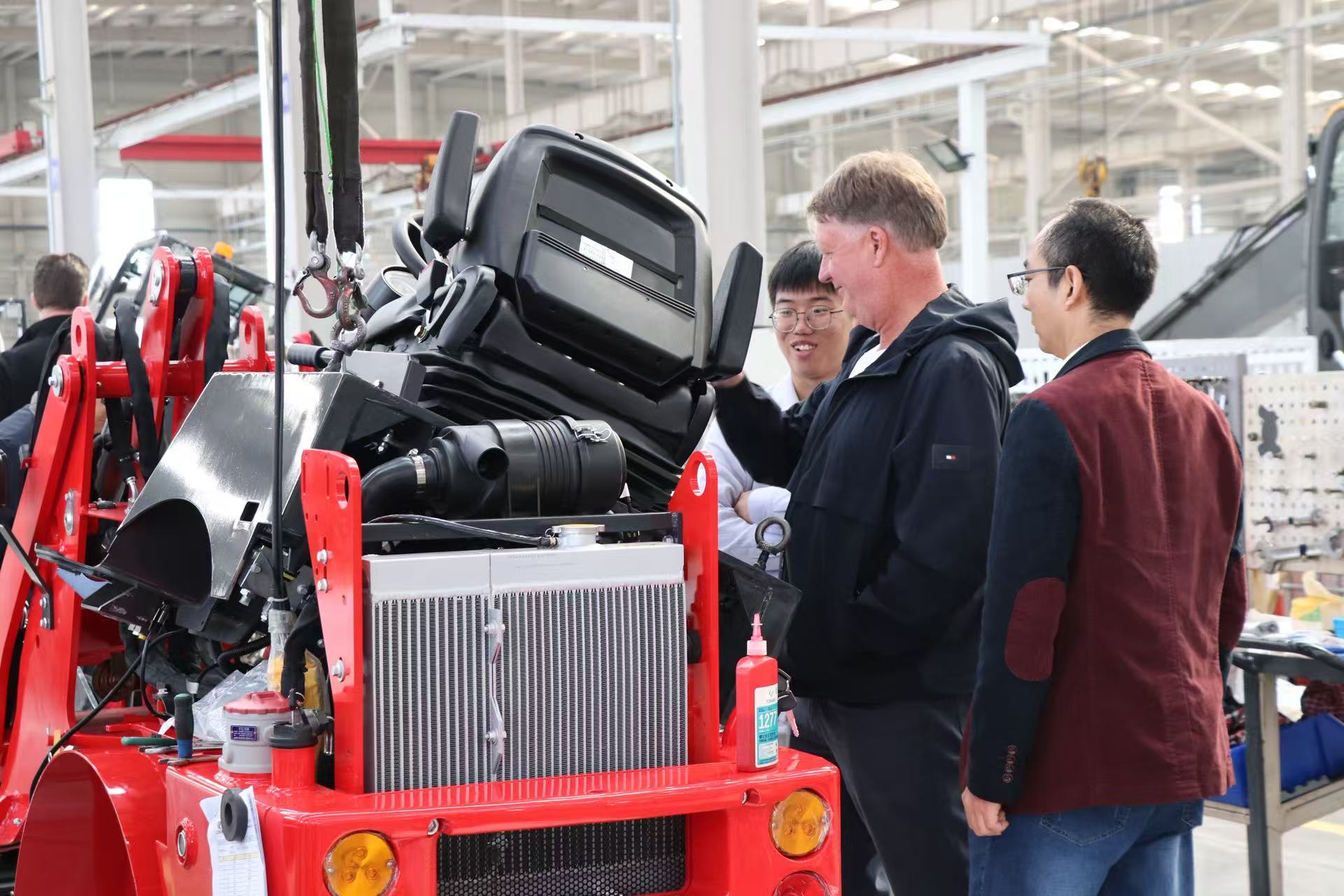
The VILLATRAC W1160 is a purpose-built new compact articulated loader designed to outperform skid steers in the applications that matter most to B2B buyers—especially small farms, landscaping, and light construction. Its technical specifications are engineered to address the key pain points of skid steer operation, while delivering the versatility and performance needed for daily tasks.
1. Core Performance & Engine Technology
At the heart of the W1160 is a 3-cylinder Perkins 403-I-11 water-cooled engine, certified to EU Stage V emissions standards. With a displacement of 1.13L and a power output of 18.4kW at 2800rpm, this engine balances robust performance with fuel efficiency—critical for B2B buyers operating on tight budgets. Unlike skid steers, which often require larger engines to compensate for power loss during turns, the W1160’s articulated design ensures efficient power delivery, reducing fuel consumption without sacrificing performance. This engine is also backed by widespread availability of parts and service, making maintenance straightforward for small farm and business operators.
2. Hydraulic & Operational Efficiency
The W1160 features an advanced hydraulic system with a work hydraulic output of 32L/min and a service pressure of 180bar, delivering consistent power to attachments. Its 3.1s boom lifting time matches the cycle times of comparable skid steers, while its automatic leveling function ensures stable operation on uneven terrain—a feature that skid steers often lack. This hydraulic system, paired with the W1160’s electric stepless hydrostatic drive, provides smooth, precise control, reducing operator fatigue and improving productivity during long work shifts. The system also supports a wide range of attachments, making the W1160 a versatile tool for diverse tasks.
3. Compact Design & Operational Versatility
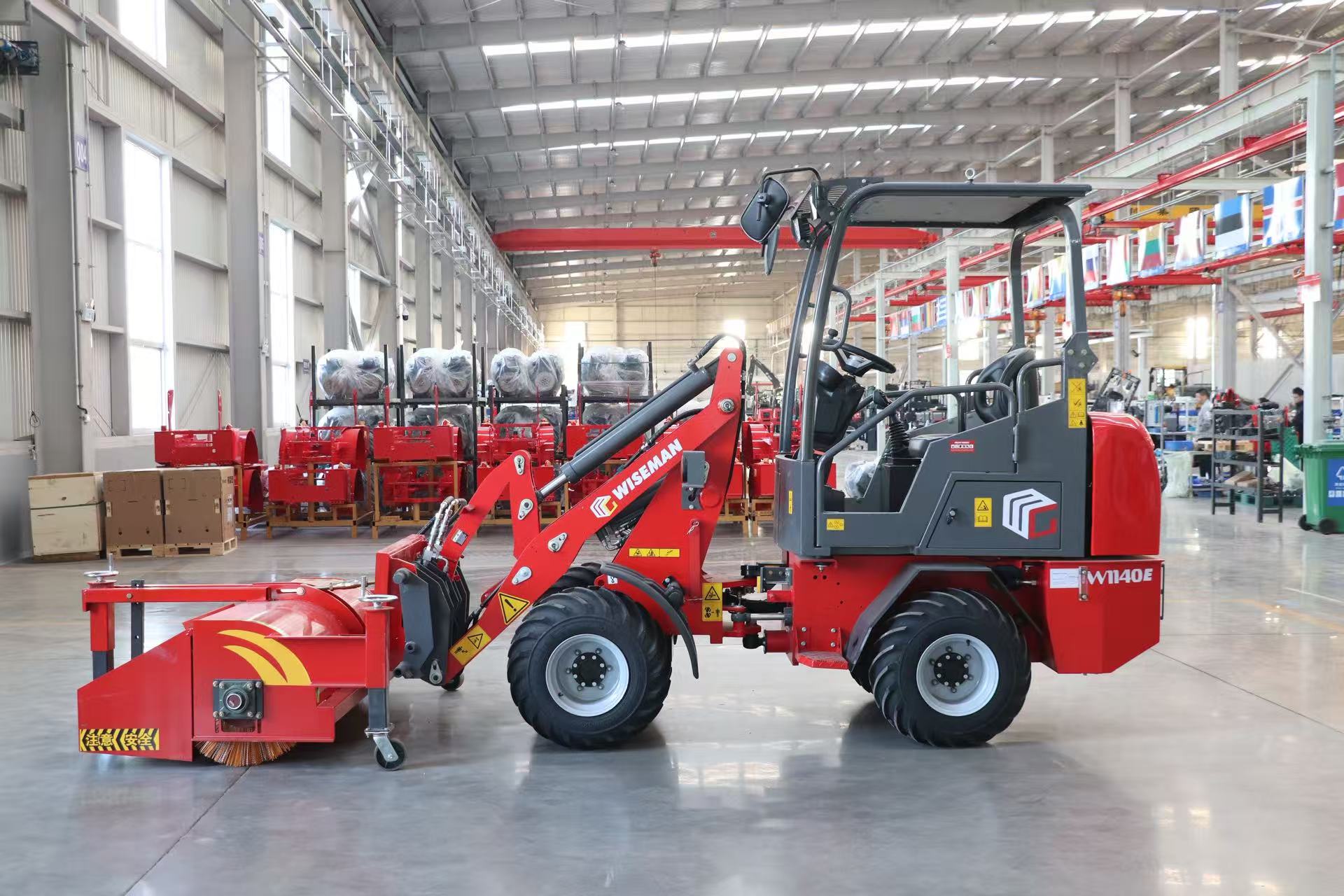
With a total length of 3895mm and a width of 1300mm, the W1160 is compact enough to fit through narrow barn doors, orchard rows, and urban job site corridors—matching the agility of skid steers while avoiding their surface-damaging turns. Its 51° articulation angle ensures a tight turning radius, allowing it to maneuver in spaces where larger loaders cannot, while its lightweight design (1850kg tare weight) makes it easy to transport between job sites using a standard trailer. Unlike skid steers, the W1160’s articulated design eliminates the need for sharp, tire-wearing turns, making it ideal for long-term use in environments where terrain protection is a priority.
W1160 Applications: Where New Compact Articulated Loader Outperforms Skid Steer
The VILLATRAC W1160’s design and specifications make it a superior choice over skid steers in several key applications, particularly those common to B2B buyers in agriculture, landscaping, and light construction.
1. Small Farm Operations
For small-scale agricultural operations, the W1160 excels at feed handling, manure removal, hay bale lifting, and barn maintenance. Its low ground pressure preserves soil health, preventing compaction that can reduce crop yields— a critical advantage over skid steers, which often damage fields and pastures. The W1160’s articulated steering allows it to navigate tight barn aisles and orchard rows without damaging crops or equipment, while its lifting capacity and height make it easy to stack materials or load trucks. During peak farming seasons, the W1160’s fuel efficiency and long runtime reduce downtime, ensuring maximum productivity.
2. Landscaping & Grounds Maintenance
In residential and commercial landscaping, the W1160’s gentle turning and low ground pressure protect lawns, planting beds, and hardscapes—areas where skid steers often cause ruts or surface damage. It outperforms skid steers in grading, mulching, planting, and snow removal tasks, thanks to its stability and attachment versatility. The W1160’s compact design allows it to work in residential yards and tight commercial spaces, while its ergonomic operation reduces operator fatigue during long landscaping shifts.
3. Light Construction & Urban Projects
In urban construction and utility work, the W1160’s maneuverability and stability make it ideal for material handling, site cleanup, and utility installation. It operates safely in confined urban spaces, such as narrow construction zones or residential areas, without the tire wear and surface damage common with skid steers. The W1160’s low noise and low emission profile also make it suitable for use in noise-sensitive areas, aligning with urban environmental regulations.
FAQ: Mini Loader vs Skid Steer – Buyer’s Key Questions
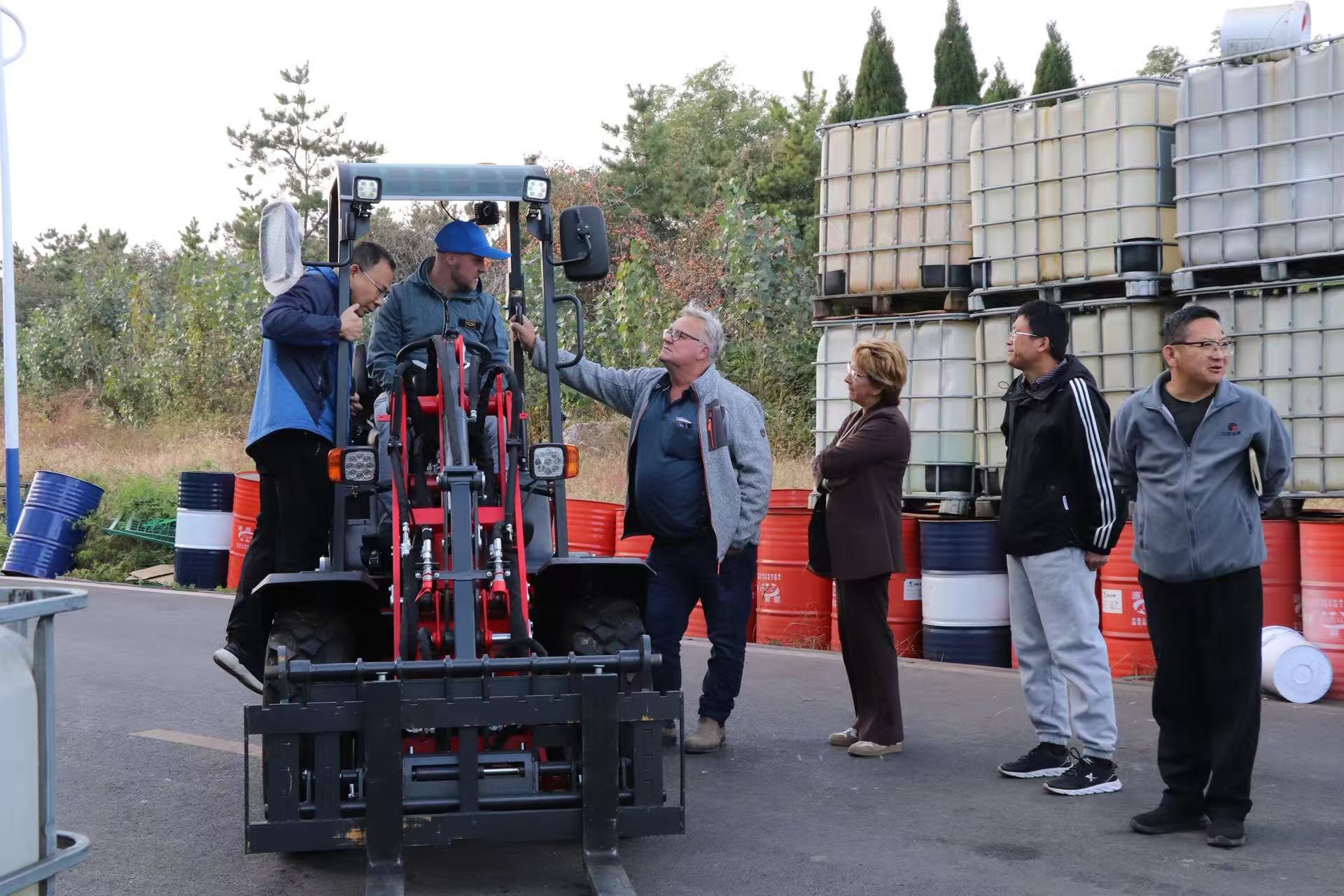
B2B buyers often have critical questions when comparing mini loaders to skid steers. Below are the most common inquiries, with insights tailored to the VILLATRAC W1160 new compact articulated loader.
Q1: Is a new compact articulated loader more expensive than a skid steer?
A: Upfront costs for new compact articulated loaders like the W1160 are slightly higher than comparable skid steers. However, the W1160 delivers better long-term ROI due to lower maintenance costs—specifically reduced tire wear from its articulated steering—and higher productivity. Skid steers have lower initial costs but require more frequent tire replacements and maintenance, increasing long-term operational expenses, especially for businesses that use their equipment daily.
Q2: Which machine is better for soft ground and farm fields?
A: The VILLATRAC W1160 new compact articulated loader is far superior for soft ground and farm fields. Its low ground pressure (less than 40kPa) prevents soil compaction, preserving soil health and crop yields. The W1160’s articulated steering also avoids the surface damage caused by skid steers, which rely on skidding to turn and often create ruts or disrupt soil structure. For agricultural buyers, this makes the W1160 the more practical choice for long-term farm operations.
Q3: Can the W1160 handle the same attachments as a skid steer?
A: Yes. The W1160 features a universal quick-coupler system that is compatible with most skid steer attachments, including buckets, pallet forks, sweepers, augers, and manure spreaders. Its hydraulic system delivers consistent power to these attachments, matching or exceeding the performance of skid steers. This versatility means B2B buyers can use their existing skid steer attachments with the W1160, reducing the need for additional equipment investments.
Q4: Which machine is easier to operate for long hours?
A: The W1160 offers a more comfortable and less fatiguing operator experience than skid steers. Its articulated steering provides smooth, fluid turns, reducing vibration and operator strain compared to the abrupt, jarring turns of skid steers. The W1160’s ergonomic design, including an intuitive control system and improved visibility, further enhances operator comfort—critical for B2B buyers whose teams work long shifts on farms or job sites.
Conclusion & Call to Action
When comparing mini loader vs skid steer for 2026, the VILLATRAC W1160 new compact articulated loader emerges as the superior choice for B2B buyers in agriculture, landscaping, and light construction. It combines the agility of skid steers with the stability, efficiency, and terrain adaptability that modern businesses demand—addressing key pain points like soil compaction, tire wear, and operator fatigue. Backed by strong market growth and aligned with 2026 sustainability and performance trends, the W1160 is a strategic investment that boosts productivity and reduces long-term operational costs.
Ready to upgrade your fleet with the VILLATRAC W1160 new compact articulated loader? Contact our B2B compact equipment specialists today for a personalized quote, detailed spec sheet, and attachment compatibility analysis. We’ll help you evaluate how the W1160 can replace your skid steer or enhance your existing fleet, e nsuring you get the most value from your equipment investment. Don’t wait—choose the machine that outperforms skid steers and elevates your operations in 2026.